1 MOM Design Review: Practical Embroidery Insights
When evaluating a new digital asset for my studio, I look past the polished marketing mockup and focus entirely on stitch integrity and production viability. As a designer who creates both custom apparel and commercial embroidery files, I approach the 1 MOM graphic with a critical eye toward real-world application. This isn't just about whether the artwork looks cute on a screen; it is about whether it translates into a durable, professional finished product that can withstand washing, wearing, and customer scrutiny. In the competitive landscape of Crafts and personalized goods, the difference between an amateur hobbyist and a trusted brand often lies in understanding how a design behaves under the needle.
Visual Personality and Project Alignment
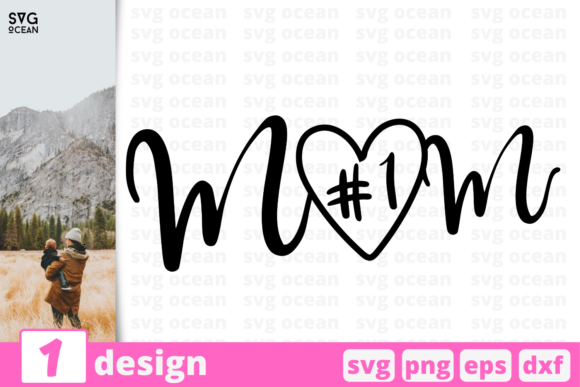
My first impression of 1 MOM is that it carries a distinct emotional weight while maintaining graphic simplicity. The typography and layout suggest a balance between nostalgia and modern minimalism. For an Etsy seller or boutique owner, this versatility is crucial. It does not feel overly juvenile, which opens up possibilities beyond standard baby embroidery. While it would certainly work beautifully on a nursery pillow or onesie, the clean lines make it equally appropriate for adult custom apparel, such as a minimalist sweatshirt or a canvas tote bag.
The mood of the design feels intimate yet legible. From a design perspective, this suggests it will perform well as a center chest placement on hoodies or as a subtle pocket-sized accent on aprons. When selecting design assets for a shop, you want graphics that evoke a feeling without requiring excessive explanation. 1 MOM achieves this by relying on strong silhouette and balanced spacing rather than cluttered detail. This visual clarity is exactly what builds buyer engagement and trust in handmade listings, as customers can instantly understand the sentiment and quality from a thumbnail image.
Real-World Application: The Custom Sweatshirt Test
To truly evaluate this file, I mentally placed it in a current production scenario: creating a line of premium fleece sweatshirts for Mother’s Day. Fleece is a high-pile fabric that can swallow fine details, making it the ultimate stress test for any machine embroidery design. In this context, 1 MOM needs to hold its own against the texture of the garment.
If I were stitching this out today, I would be assessing the intended stitch types. If the lettering utilizes a satin stitch, I need to verify the column width is sufficient to prevent tunneling but narrow enough to avoid looking bulky on soft fleece. If it uses a fill stitch, the density must be calibrated so it doesn’t create a bulletproof patch that distorts the drape of the sweatshirt. For a tote bag design on woven cotton, the concerns shift to registration; crisp corners are essential on stable fabrics where errors are more visible. This mental walkthrough confirms that 1 MOM has the potential to be a high-value item, provided the maker respects the relationship between the graphic and the substrate.
Navigating Fabric Variables and Technical Constraints
No embroidery file exists in a vacuum. The success of 1 MOM depends heavily on where and how you choose to deploy it. There are specific scenarios where caution is required to maintain professional standards.
- Stretchy Knits: If applying this to ribbed knits or spandex blends, the design’s stability is paramount. You must use adequate stabilizer (likely a cutaway) to prevent the letters from warping after the hoop is removed. A design that looks perfect in the hoop but puckers once unhooped destroys perceived value.
- Curved Surfaces: Using 1 MOM on caps requires careful consideration of the curve. Flat graphics do not always map correctly to cylindrical hoops without distortion. Always test on a curved surface first if planning hat production.
- Dark vs. Light Fabrics: Contrast is key. If the design relies on thin running stitch elements, they may disappear on dark garments unless you increase thread weight or add an underlay base. Conversely, on white fabric, ensure the stitch density provides enough coverage so the fabric grain doesn't show through.
- Small Hoop Sizes: Scaling down is often riskier than scaling up. Before committing 1 MOM to a 4x4 hoop or smaller, inspect the smallest interior spaces of the letters. If they close up during testing, the design is too detailed for that size and should be reserved for larger formats.
Commercial Viability and Business Value
For creative entrepreneurs and small shop product developers, time is money. A reliable graphic reduces sampling waste and increases profit margins. 1 MOM offers significant value because of its cross-category appeal. It functions effectively as a standalone personalized gift item or as part of a cohesive collection. When building a brand, consistency matters. Having a versatile asset that works across holiday embroidery runs, everyday wear, and home decor allows for streamlined inventory and marketing.
Furthermore, the inclusion of multiple vector formats adds operational flexibility. While the primary focus here is embroidery, having SVG, DXF, PNG, and EPS files means you can create matching vinyl decals, sublimation prints, or printable mockup previews using Cricut Design Space or Silhouette Designer Edition. This multi-format utility supports a hybrid business model where you might offer both physical embroidered goods and digital downloads. However, always verify your specific licensing rights before selling the digital embroidery file itself versus the finished physical product.
Essential Pre-Production Checklist
Before listing any item featuring 1 MOM for sale, run through this practical validation process. Skipping these steps is the most common cause of negative reviews and returns in the handmade community.
- Test Stitch on Target Fabric: Never assume a file will work perfectly on your final material. Stitch a sample on the exact fabric and stabilizer combination you intend to sell. Check for puckering, thread breaks, and registration issues.
- Evaluate Thread Colors: View the design in black and white to check contrast values independent of color. Then, test actual thread colors against the fabric. Ensure readability from a conversational distance, not just macro lens close-ups.
- Inspect Stitch Density: Feel the back of the sample. Is it stiff? Does it scratch? Adjust density settings in your software if the design feels too heavy for the intended use, especially for baby items or lightweight tees.
- Verify File Compatibility: Confirm that the provided formats (SVG, DXF, PNG, EPS) integrate smoothly with your specific cutting or embroidery software workflow before starting bulk production.
- Wash Test: If selling apparel or linens, wash and dry the sample according to care instructions. Some designs loosen or distort after laundering. Your customers expect durability.
Ultimately, 1 MOM represents a solid foundation for makers who prioritize quality over quantity. By treating this graphic as a technical component of your manufacturing process rather than just a pretty picture, you elevate your entire product line. Whether you are crafting a heartfelt gift or scaling a commercial embroidery business, the discipline of proper testing and thoughtful application is what transforms a simple download into a cherished, lasting creation. Take the time to understand the nuances of this design, and it will serve your business and your customers well.