Homeschool Design Bundle: An Embroidery Review
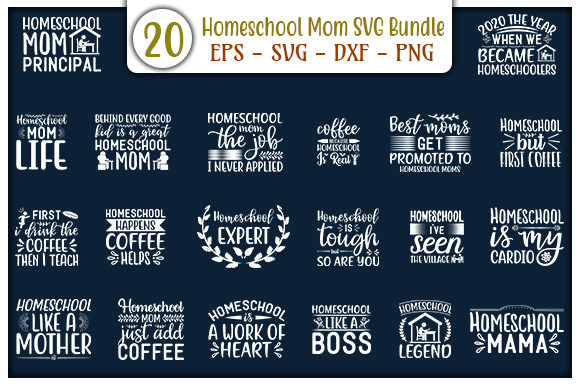
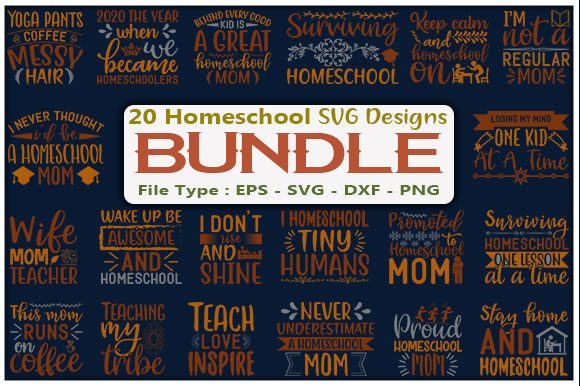
As a professional embroidery digitizer and product reviewer, I approach every new graphic collection with a specific question: will this actually stitch out cleanly on real fabric? The Homeschool Design Bundle immediately caught my attention because it targets a niche that values both humor and practicality. When evaluating these graphics for machine embroidery design purposes, I am looking beyond the cute screen preview. I am analyzing line weight, text legibility, and how the artwork translates into satin stitch, fill stitch, or running stitch formats. This bundle, featuring phrases like "I don’t rise and shine I homeschool tiny humans" and "Losing my mind one kid at a kid at a time," offers significant potential for custom apparel and personalized gifts, but success depends entirely on proper application and fabric selection.
Translating Humor into Stitch Data
The first impression of this collection is its relatable, candid tone. For an Etsy seller or small shop product creator, this emotional connection is vital. However, as a designer, my primary concern is technical translation. Phrases like "I’m not a regular mom" rely heavily on typography. In a digital embroidery file, thin script fonts can become problematic if they are too delicate for standard thread weights. When reviewing this Homeschool Design Bundle, I assessed whether the lettering has enough structural integrity to survive washing without fraying.
The visual personality here is casual and warm, which suggests these designs belong on soft, matte fabrics rather than shiny performance wear. The layout of quotes like "Keep calm and homeschool on" typically requires balanced spacing to prevent puckering. If you are converting these SVG graphics into embroidery files, pay close attention to the kerning. Tight letter spacing looks modern on a screen but can cause thread breaks or fabric distortion during stitching. A successful handmade product requires adjusting the design assets to accommodate the physical limitations of thread and needle penetration.
Real-World Application: The Custom Sweatshirt Test
To truly evaluate this bundle, I mentally walked through a recent client project involving a batch of custom sweatshirts for a local homeschool co-op. The client wanted the "I never thought I’d be a homeschool mom" design placed across the chest of a heavyweight cotton fleece. This scenario highlights the practical strengths and challenges of the collection.
Sweatshirt embroidery requires managing high pile fabric texture. The bold nature of the text in this bundle works well here because thicker lines sit atop the fleece loops better than fine details. However, stabilizer choice becomes non-negotiable. For this specific project, using a cut-away stabilizer was essential to support the stitch density and prevent the garment from warping after laundering. The design’s mood perfectly matched the cozy, lived-in aesthetic of the sweatshirt, creating a finished product that felt authentic rather than mass-produced. This alignment between design sentiment and substrate is what drives buyer engagement and customer trust in the craft business sector.
Fabric Compatibility and Technical Constraints
While the Homeschool Design Bundle is versatile, it is not universally applicable to every surface. Understanding where to use caution is just as important as knowing where to apply the design.
- Stretchy Fabrics: Designs with dense fill stitch areas can restrict the natural stretch of knit fabrics. If placing "Losing my mind one kid at a time" on a ribbed tank top, consider reducing stitch density or switching to a lighter running stitch outline to maintain garment comfort.
- Textured Surfaces: On terry cloth towels or minky blankets for baby embroidery, fine details get lost. You may need to add a knockdown stitch layer beneath the design to flatten the pile before stitching the main artwork.
- Small Hoop Sizes: Some quotes in this bundle are lengthy. Before committing to a 4x4 hoop size, verify the dimensions. Resizing complex text-heavy designs down too far can result in illegible letters and jump stitch issues.
- Dark Fabrics: High contrast is key. White thread on navy fabric reads beautifully, but pastel threads on dark backgrounds often look muddy. Always test thread colors against the actual fabric swatch, not just a digital mockup.
Evaluating Commercial Viability for Makers
For creative entrepreneurs selling on Etsy or at craft fairs, product value hinges on execution quality. A poorly stitched design devalues the entire brand. The Homeschool Design Bundle offers excellent commercial embroidery opportunities because the sayings are evergreen within the niche. They aren't tied to a specific holiday, meaning inventory doesn't expire.
However, professionalism comes from consistency. If you are offering tote bag design options alongside aprons, ensure the stitch type remains consistent across products. Mixing applique design elements with flat embroidery on the same listing can create visual dissonance. Use printable mockups to verify placement and scale before stitching samples. This step saves time and materials while ensuring your digital product previews accurately represent the final embroidered patch or garment.
Critical Designer Notes for Best Results
Based on my evaluation of similar typography-based graphics, I recommend the following workflow when utilizing this bundle. These steps bridge the gap between digital art and tangible textile art.
- Verify Licensing: Before listing any finished product or reselling digital embroidery files, confirm the specific license terms included with the Homeschool Design Bundle. Commercial rights vary significantly between designers.
- Test Stitch First: Never run a production batch without a sew-out on scrap fabric identical to your final project. Check for registration errors, especially where text overlaps with graphical elements.
- Assess Stabilizer Needs: Match your backing to the fabric weight. Lightweight knits need fusible poly-mesh; canvas tote bags may only need tear-away. Incorrect stabilization is the most common cause of poor stitch clarity.
- Check Small Details: Inspect the smallest text elements. If a letter is thinner than your needle width, it must be modified or removed. No amount of hooping tension can fix physically impossible geometry.
- Mockup Validation: Create black and white mockups to test value contrast. If the design relies solely on color differentiation rather than value contrast, it may fail on certain fabric backgrounds.
Final Thoughts on Product Integration
The Homeschool Design Bundle succeeds because it speaks directly to the identity of the wearer. Whether used for holiday embroidery gifts, nursery decor, or daily wear custom apparel, the designs carry an inherent narrative. For the experienced maker, the value lies in adapting these graphics to respect the medium of embroidery.
Remember that an SVG is merely a blueprint. The true test occurs when the needle hits the fabric. By respecting stitch density limits, choosing appropriate stabilizers, and validating designs through physical testing, you transform digital assets into high-quality merchandise. This thoughtful approach distinguishes a professional embroidery business from a hobbyist operation. When executed correctly, these designs do more than decorate fabric; they validate the experiences of homeschool parents, making them ideal candidates for best-selling items in your shop. Always prioritize the integrity of the stitch over the speed of production, and your customers will recognize the difference in every handmade product you create.