Living That Baseball Mom Life: A Designer Review
As a professional embroidery digitizer and product reviewer, I approach every new machine embroidery design with a critical eye. It is not enough for a graphic to look good on a screen; it must translate beautifully through needle and thread onto physical media. When evaluating "Living That Baseball Mom Life," I am looking past the catchy phrase to assess its structural integrity, stitchability, and commercial viability for fellow makers. This review breaks down how this digital asset performs in real-world scenarios, specifically for those running a craft business or creating personalized gifts.
First Impressions and Visual Hierarchy
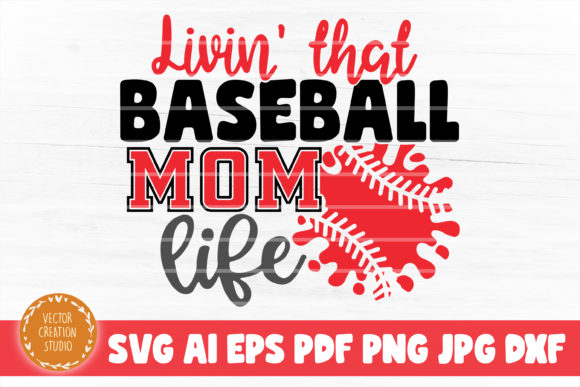
Upon opening the digital embroidery file, the immediate impression is one of spirited nostalgia. The typography carries a weight that suggests athletic tradition, likely utilizing bold serifs or varsity-style block letters common in sports graphics. For an Etsy seller or boutique owner, this aesthetic is gold because it instantly communicates the niche without needing explanation. However, from a technical standpoint, my first concern is always legibility at various sizes. The layout appears balanced, but designers must verify if the text elements are merged or separated. Separated elements allow for color changes and resizing flexibility, which is crucial when adapting a sweatshirt embroidery project versus a smaller cap logo.
The mood is energetic yet sentimental, making it ideal for the spring and summer selling seasons. As a graphic asset, it bridges the gap between trendy humor and classic team spirit. This duality increases its value as a design asset because it appeals to both the mom who wants a funny sideline shirt and the grandmother looking for a traditional keepsake.
Real-World Application: The Custom Tote Bag Test
To truly judge this design, I mentally placed it into a specific production scenario: a custom canvas tote bag intended for carrying baseball gear and snacks. Canvas is a fantastic medium for tote bag design because its tight weave supports high stitch counts without distortion. In this application, "Living That Baseball Mom Life" serves as the centerpiece.
If the design utilizes satin stitch borders around the lettering, the canvas provides the necessary stability to prevent tunneling. I envision pairing the primary text with a contrasting thread color—perhaps navy stitching on natural canvas—to maximize readability from the bleachers. For a handmade product like this, the tactile quality matters. If the design includes intricate details or small decorative accents, they must be large enough to remain distinct after stitching. A tote bag takes significant wear and tear; therefore, the stitch density must be sufficient to cover the fabric completely without becoming bulletproof stiff. This balance ensures the bag remains functional while showcasing professional-grade commercial embroidery.
Navigating Fabric Challenges and Stabilization
While canvas is forgiving, many crafters will want to use this design on stretchy knits for custom apparel. This is where technical judgment becomes vital. Knit fabrics, such as cotton jersey or performance blends used in baseball tees, require careful preparation. Before stitching "Living That Baseball Mom Life" on any stretch material, you must use the correct stabilizer. A cut-away stabilizer is non-negotiable here to prevent the design from puckering or distorting during washing.
I also advise caution regarding textured fabrics. If you are planning a baby embroidery project on terry cloth or minky, the texture can swallow fine details. In such cases, you may need to add a topping or choose a version of the design with bolder lines. Similarly, dark fabrics present their own challenges. Ensure your thread colors offer high contrast. White or metallic threads pop beautifully against navy or black, but pastel threads might get lost. Always test your color combination on a scrap piece of the actual garment fabric before committing to the final embroidery project.
Critical Considerations for Small Hoops and Caps
Not all machines accommodate large designs, and not all designs scale down gracefully. If you intend to use this for hat embroidery, verify the dimensions against your hoop size. Curved surfaces like caps require designs with specific digitizing parameters to account for the cylinder shape. Standard flat embroidery files often distort on caps unless re-digitized. Furthermore, if the design contains tiny lettering or thin connecting lines, scaling it down for a 4x4 hoop may result in thread breaks or illegible text. Always inspect the smallest recommended size to ensure the running stitch outlines remain crisp.
Commercial Viability and Customer Trust
For creative entrepreneurs, the ultimate question is whether this design helps sell products. "Living That Baseball Mom Life" hits a highly searchable keyword niche, which aids discoverability. However, customer trust is built on execution. A poorly stitched design reflects badly on your brand, regardless of how cute the concept is. By ensuring clean registration, proper tension, and appropriate backing, you elevate the perceived value of your small shop product.
When listing items online, utilize printable mockup templates to show potential buyers how the design looks on different garments. However, nothing replaces photos of the actual finished product. Buyers want to see the stitch texture and true colors. If you are selling the digital file itself, be transparent about what is included. Since this is an instant download compatible with cutting machines like Silhouette and Cricut, clarify whether it also includes machine embroidery formats (PES, DST, JEF, etc.). Misunderstandings regarding file compatibility are a common source of negative reviews in the Graphics and Crafts categories. Clear communication protects your reputation as a reliable digital product seller.
Essential Pre-Stitch Checklist for Makers
Before you load this design into your machine or list it in your store, run through this practical checklist to ensure success:
- Verify Licensing: Confirm whether your purchase allows for commercial use of finished items or just personal use. Never assume rights for commercial embroidery without checking the terms.
- Test Stitch: Always run a test on scrap fabric similar to your final project. Check for gaps between fill stitch areas and outline stitches.
- Check Contrast: View the design in grayscale or black and white to ensure the visual hierarchy holds up without relying solely on color differences.
- Stabilizer Match: Select stabilizer based on fabric weight and stretch, not just the design size. Heavy designs on light fabric need more support.
- Detail Inspection: Zoom in on the digital file to identify any jump stitches that might need trimming or any areas where stitch density seems too sparse or too dense.
- Mockup Accuracy: If using mockups for your Etsy seller listings, ensure they accurately represent the stitch type and scale of the actual design.
Final Thoughts on Design Integrity
"Living That Baseball Mom Life" offers significant potential for makers in the sports and family niche. Its success, however, depends entirely on the user's technical diligence. Whether you are creating a personalized gift for a coach, stocking your boutique with seasonal holiday embroidery, or expanding your digital catalog, treat this file as a starting point rather than a guaranteed outcome. Respect the relationship between the digital art and the physical substrate. By applying professional standards to your stabilization, hooping, and finishing techniques, you transform a simple graphic into a premium embroidered patch or garment that customers will cherish. Remember, in the world of machine embroidery, the best design is one that survives the wash cycle and still looks as vibrant as the day it left the hoop.