Mom Bandana Line Handraw: An Embroidery Review
As a designer who spends more time behind an embroidery machine than a computer screen, I approach every new graphic with a specific question: will this actually stitch out cleanly on real fabric? When evaluating the Mom Bandana Line Handraw for potential use in my own production line and client projects, I am looking past the digital preview. I need to know if this design can transition from a vector file to a tangible, high-quality handmade product that customers will trust and cherish. This review breaks down the practical realities of using this artwork for commercial embroidery, personalized gifts, and small shop merchandise.
First Impressions and Visual Personality
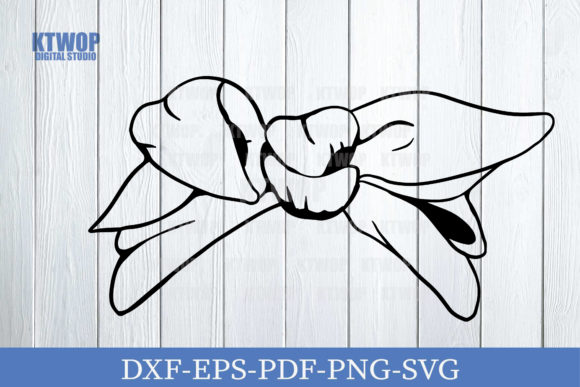
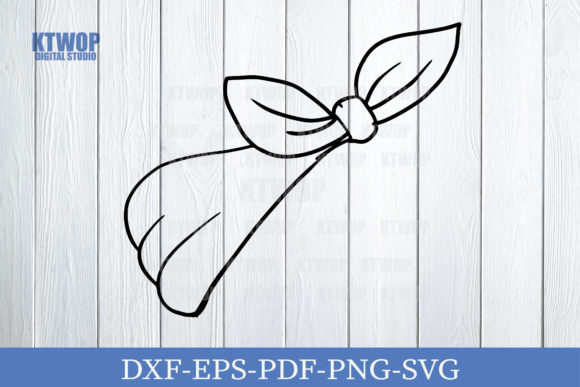
The Mom Bandana Line Handraw immediately strikes a balance between nostalgic warmth and modern simplicity. The line art style suggests a lightweight aesthetic, which is crucial for apparel decorators working with softer fabrics. Unlike heavy, dense fill designs that can distort garment drape, this graphic implies a cleaner, more breathable stitch structure. The mood is inherently personal and maternal, making it a natural candidate for Mother’s Day collections, baby shower gifts, or boutique branding focused on family lifestyle.
From a graphics perspective, the clean lines indicate that this was likely created with scalability in mind. For Etsy sellers and creative entrepreneurs, this visual clarity is essential. It translates well into printable mockups for digital listings, allowing buyers to visualize the finished product before purchase. However, as an embroidery project, line art requires precision. There is nowhere to hide in a single-needle running stitch or thin satin column; every jump stitch and tension issue becomes visible. This design demands confidence in your digitizing or conversion process.
Real-World Application: Stitching the Tote Bag Test
To truly evaluate this asset, I mentally placed it onto a canvas tote bag—a staple for any craft business or holiday embroidery lineup. Totes provide a stable, medium-weight surface that generally accepts machine embroidery design files well. In this scenario, the Mom Bandana Line Handraw serves as a central focal point without overwhelming the utility of the bag.
When preparing this for a custom apparel piece like a sweatshirt or t-shirt, the considerations shift. Sweatshirt embroidery requires managing fleece texture and stretch. If the bandana line work is too delicate, it risks getting lost in the fabric pile. Conversely, if the digitizer has compensated with excessive underlay, the design might feel stiff against the skin. For baby embroidery items, such as onesies or bibs, safety and comfort are paramount. The design must be soft to the touch and free of long, loose threads that could pose a snagging hazard. This is where verifying whether the file functions as a true applique design or a pure stitch-out becomes critical for the maker.
Navigating Fabric Challenges and Hoop Sizes
While the Mom Bandana Line Handraw is versatile, it requires careful placement on challenging substrates. I would advise caution when applying this to highly textured fabrics like terry cloth towels or thick knits unless you plan to use a water-soluble topping to prevent the stitches from sinking. On dark fabrics, thread color contrast is non-negotiable; a white or metallic thread often provides the necessary pop that makes the line work legible from a distance.
Hoop size selection dictates the success of this design. Because line art relies on continuity, resizing can sometimes distort the aspect ratio or alter stitch density unintentionally. Always confirm your hoop size capabilities against the original dimensions provided in the digital embroidery file. If you are creating an embroidered patch or cap design, remember that curved surfaces introduce distortion. A design that looks perfect flat may pull to one side on a structured hat. Testing on a scrap piece of similar weight and weave is the only way to guarantee professional results.
Commercial Viability for Makers and Sellers
For those running a craft business or selling on platforms like Etsy, the Mom Bandana Line Handraw offers significant value as a niche-specific asset. It targets a highly engaged demographic seeking personalized gift options. However, commercial embroidery requires consistency. Your customers expect the same quality on the tenth item as they did on the first. This means establishing a standard operating procedure for stabilizer choice, needle type, and thread tension specifically for this design.
Beyond physical products, consider how this graphic enhances your brand identity. Using consistent design assets across your shop creates recognition. If you offer this motif on a tea towel, ensure it coordinates visually with matching nursery decor or aprons. This cohesion increases perceived value and encourages multi-item purchases. Just remember to verify licensing terms before selling finished items or incorporating the graphic into other digital products for resale.
Essential Designer Notes for Success
Before loading the Mom Bandana Line Handraw into your machine for a paid order, run through this practical checklist to ensure production readiness:
- Verify File Compatibility: This listing includes SVG, DFX, EPS, PNG, and PDF formats. These are primarily vector and raster graphics, not pre-digitized embroidery formats like DST or PES. You must have the software and skill to convert these vectors into a stitch file appropriate for your specific machine.
- Test Stitch Density: Convert the vector lines to either running stitches or narrow satin columns. Test on scrap fabric first to ensure the stitch density does not cause puckering on lightweight materials or gaps on heavier ones.
- Check Small Details: Inspect corners and curves in your embroidery software. Sharp angles in line art can cause needle breaks or thread bunching. Add manual tie-offs or adjust corner settings to maintain flow.
- Evaluate Stabilizer Needs: Match your stabilizer to the fabric, not just the design. Cutaway for stretchy custom apparel, tear-away for stable woven goods, and wash-away for delicate baby embroidery or sheer fabrics.
- Mockup Realism: Use the provided PNG to create realistic printable mockups for your listings. Ensure the digital representation matches what your machine can actually produce to maintain customer trust and avoid returns.
- Thread Color Planning: Document your thread colors for repeatability. Consistency is key for small shop product lines. Create a sample card so you can match colors perfectly for future reorders.
Final Thoughts on Production Value
The Mom Bandana Line Handraw is a charming addition to the Crafts category, offering a distinct aesthetic that resonates with modern makers. Its strength lies in its emotional connection and clean visual profile, making it ideal for meaningful, personalized projects. However, its success as a finished product depends entirely on the maker's technical execution. By respecting the nuances of fabric texture, proper stabilization, and accurate file conversion, you can transform this digital graphic into a premium embroidered item that stands up to washing, wearing, and gifting. Always prioritize testing over speed, and let the quality of your craftsmanship elevate the inherent beauty of the design.