Mom's Little Man: A Designer’s Embroidery Review
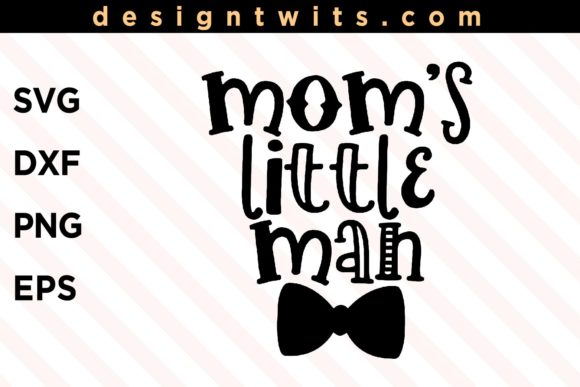
As a professional embroidery designer and product reviewer, I approach every new graphic with a critical eye toward its final stitched reality. When evaluating Mom's Little Man, my first impression is one of versatile sentimentality. This design captures a specific emotional niche that resonates deeply with mothers, grandmothers, and gift-givers. However, as someone who manages commercial embroidery projects and runs a craft business, I know that emotional appeal must be backed by technical viability. The mood of this graphic is tender yet structured, suggesting it belongs on items that are cherished but also used. It strikes a balance between nursery decor and wearable pride, making it a strong contender for both personalized gifts and small shop products.
Evaluating Visual Weight and Stitch Translation
Before loading any embroidery file into my machine, I analyze the visual weight of the artwork. For Mom's Little Man, the layout appears optimized for center-chest placement or left-chest branding. The typography and illustrative elements seem balanced, which is crucial when converting graphics into stitch data. In my experience, designs with this level of thematic focus often rely on a combination of satin stitch for lettering and fill stitch for graphical elements. As an Etsy seller or apparel decorator, you must verify that the digitizing supports this balance. If the satin columns are too wide, they risk looping; if the fill areas are too dense, they can cause fabric puckering on lightweight garments.
I recently prepared a custom sweatshirt embroidery project for a client expecting her first son. We chose this theme because it needed to photograph well for social media while remaining comfortable for daily wear. During the mockup phase, I noticed that the design’s personality shines best when there is adequate negative space around the text. Crowding the hoop size can diminish the handmade product aesthetic. For this specific sweatshirt project, using a mid-weight fleece required adjusting the stabilizer strategy to prevent the design from sinking into the fabric texture. The result was a clean, professional finish that looked intentional rather than mass-produced.
Real-World Application Across Product Categories
The versatility of Mom's Little Man extends beyond apparel. In my review process, I test how a design adapts to various substrates common in the crafts category. Here is how this graphic performs across different applications:
- Tote Bag Design: Canvas tote bags provide a stable base for machine embroidery design work. This theme works exceptionally well here, as the natural fabric texture complements the maternal sentiment without competing for attention.
- Baby Embroidery: When applying this to onesies or bibs, scale is everything. You may need to resize the digital embroidery file significantly. Always check if the original digitizing allows for reduction without losing stitch integrity or causing thread breaks.
- Holiday Embroidery: This design transitions seamlessly into holiday gifting. On a Christmas stocking or ornament, the emotional connection drives buyer engagement. It serves as a perfect personalized gift that feels bespoke rather than generic.
- Printable Mockups: For digital product sellers, this graphic is valuable for creating listing images. Even before stitching, the clean lines allow for realistic digital previews that build customer trust and showcase potential finished products.
Technical Considerations for Fabric and Stabilizer
While the aesthetic of Mom's Little Man is universally appealing, technical execution determines whether a project succeeds or fails. I have seen beautiful graphics ruined by ignoring fabric characteristics. When working with stretchy knits for custom apparel, a cut-away stabilizer is non-negotiable to maintain registration between the text and any accompanying icons. For woven fabrics like tea towels or pillow covers, a tear-away might suffice, but you must assess the stitch density first.
One area requiring caution is detailed corners and tiny lettering. If your version of this design includes fine script, test it on scrap fabric before committing to a high-value garment. Running stitch details can get lost on textured fabrics like terry cloth or minky. In these cases, consider using an applique design variation or increasing the underlay to create a smooth platform for the top stitches. Dark fabrics present another challenge; ensure your thread colors offer sufficient contrast. A white or cream satin stitch pops beautifully against navy or charcoal, whereas pastel threads may require a white underlay base to prevent the dark fabric from showing through.
Commercial Viability and Brand Consistency
For creative entrepreneurs and small business owners, Mom's Little Man represents more than just a pretty picture; it is a commercial asset. However, professionalism dictates due diligence. Before listing any embroidered patch, shirt, or digital download, confirm the licensing terms included in the ZIP folder. Understanding whether you have rights for physical sales versus digital redistribution protects your craft business from legal issues.
Brand consistency is equally important. If your shop specializes in modern, minimalist aesthetics, ensure this design aligns with your existing catalog. Does the font style match your other motherhood-themed items? Cohesion builds recognition and buyer confidence. When I review design assets for commercial embroidery, I look for timelessness over trends. This specific theme has longevity, meaning inventory created today will likely still be relevant next season. This reduces waste and increases the return on investment for your design purchases.
Practical Designer Notes for Success
To maximize the potential of Mom's Little Man in your own studio, I recommend following these practical steps derived from real-world testing:
- Audit the File Contents: Since the listing mentions a ZIP folder containing graphics suitable for cutting, printing, and sublimation, verify which files are specifically formatted for embroidery. Do not assume all included files are stitch-ready.
- Test Stitch Density: Run a sample on the exact fabric you intend to use. Check the back of the sample; excessive bobbin thread visibility indicates tension issues or density problems that need correction before production.
- Evaluate Hoop Size Compatibility: Confirm the design dimensions fit your machine’s hoops without requiring excessive re-hooping. Multi-hoop designs increase production time and alignment risks.
- Check Thread Color Contrast: View the design in black and white mode within your software. If the elements blend together without color, the value contrast is insufficient for embroidery clarity.
- Validate Licensing: Explicitly check if the license covers the specific end-use you have in mind, such as selling finished handmade products versus selling the digital embroidery file itself.
Ultimately, Mom's Little Man offers a strong foundation for meaningful embroidery projects. Its success lies not just in the initial download, but in the thoughtful application of embroidery principles. By respecting fabric limitations, verifying technical specs, and aligning the design with your brand’s quality standards, you transform a simple graphic into a premium finished product. Whether you are creating a keepsake baby blanket or stocking your Etsy shop with seasonal apparel, approaching this design with professional scrutiny ensures that the final stitch-out honors the sentiment it represents. Always remember that in our industry, the difference between a hobbyist outcome and a professional result is found in these deliberate, tested details.