Mom s OneDerful: A Designer’s Embroidery Review
As a professional embroidery designer and product reviewer, I approach every new graphic with a critical eye toward its stitchability. When evaluating Mom s OneDerful, my primary concern is not just how the artwork looks on a screen, but how it translates into thread on fabric. This design falls under the Crafts and Graphics categories, marketed as versatile for cutting, printing, and sublimation. However, for those of us in the embroidery business, versatility requires specific structural integrity. After analyzing the layout and visual weight of this design, I see significant potential for personalized gifts and custom apparel, provided the digitizer or end-user understands the nuances of converting this graphic style into a durable machine embroidery design.
Visual Personality and First Impressions
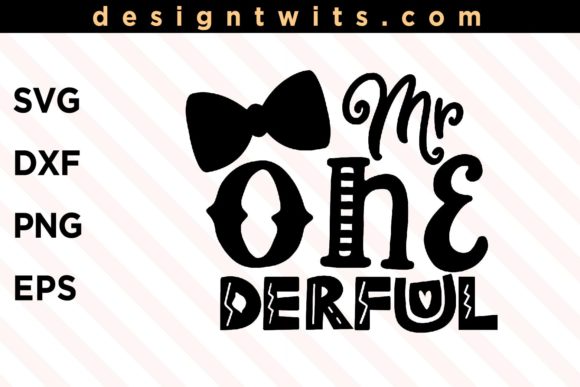
The immediate mood of Mom s OneDerful is celebratory yet tender. The typography suggests a playful elegance that bridges the gap between modern boutique aesthetics and traditional handmade warmth. Visually, the composition feels balanced, which is crucial for embroidery projects where centering can make or break the final presentation. The lettering appears to have enough width to support satin stitch columns without becoming too dense, though this must be verified during the digitizing phase. For an Etsy seller or small shop owner, this design communicates "first birthday" or "motherhood milestone" instantly, reducing the cognitive load for customers browsing through hundreds of listings. It possesses the kind of visual clarity that photographs well in printable mockups and digital product previews, which is essential for driving buyer engagement before a single needle pierces fabric.
Real-World Application: The Custom Sweatshirt Test
To truly judge the utility of Mom s OneDerful, I mentally placed it in a real-life production scenario: creating a custom embroidered sweatshirt for a client celebrating her first Mother’s Day. Sweatshirts are a staple for craft businesses, but they present unique challenges due to fleece texture and stretch. In this context, the design needs to hold its own against the fabric's nap. If Mom s OneDerful relies heavily on thin running stitch details, they might get lost in the fleece. However, if the design incorporates bold fill stitch areas or substantial satin borders, it will sit proudly on top of the garment.
For this specific project, I would pair the design with a cutaway stabilizer to prevent puckering on the knit fabric. The goal is a finished product that feels high-end rather than homemade. Customers paying for commercial embroidery expect crisp edges and legible text. Because this graphic is also suitable for sublimation, a savvy maker could even create a mixed-media piece, using sublimated background elements with Mom s OneDerful embroidered on top, adding perceived value and texture contrast that justifies a higher price point.
Navigating Fabric Limitations and Hoop Constraints
While the design shines on stable knits, caution is required when adapting Mom s OneDerful for more demanding substrates. Small hoop sizes often tempt embroiderers to shrink designs below their safe threshold. With script-heavy graphics like this one, reducing the size too much can cause satin stitches to merge, resulting in illegible text or needle breaks. Always check the minimum recommended size for the embroidery file before committing to tiny baby clothes or cap embroidery.
Textured fabrics like terry cloth towels or canvas tote bags also demand attention. A tote bag design needs durability; if Mom s OneDerful has delicate decorative accents, they may snag during daily use. On dark fabrics, thread color contrast becomes paramount. A white or cream thread on a navy sweatshirt offers classic readability, whereas tone-on-tone stitching might obscure the intricate details of the lettering. Furthermore, curved surfaces like caps require a design that isn't too tall vertically. If the original graphic aspect ratio is square or vertical, it may need re-digitizing specifically for headwear to avoid distortion around the crown seam.
Impact on Brand Consistency and Product Value
For creative entrepreneurs, maintaining brand consistency across different mediums is vital. Mom s OneDerful serves as a strong anchor asset because of its adaptable nature. Using the same visual theme for nursery decor, holiday gifts, and boutique branding creates a cohesive collection that encourages repeat business. When a customer sees a matching bib, pillow cover, and gift tag featuring this design, it reinforces professionalism and trust.
The visual appeal directly correlates to product value. Clean stitching, appropriate density, and thoughtful placement signal quality. If the design is used for an embroidered patch, the edge finish must be impeccable. Patches are handled frequently, and fraying edges devalue the item immediately. Conversely, when executed correctly on premium items like linen tea towels or blankets, this design elevates the base product from generic to bespoke. For digital product sellers offering this as a digital embroidery file, providing clear usage guidelines and tested photos builds confidence in your assets, distinguishing your shop from competitors who offer untested files.
Practical Designer Notes for Success
Before listing Mom s OneDerful in your shop or stitching it for a client, adhere to these professional best practices to ensure optimal results:
- Test Stitch on Scrap Fabric: Never assume a digital file is perfect. Run a test on the exact fabric type you intend to use. Check for registration issues between color changes and verify that the stitch density doesn’t cause fabric distortion.
- Verify Licensing Terms: Since this listing includes a ZIP folder containing graphics, confirm whether the license covers commercial embroidery of finished products versus selling the digital embroidery file itself. These rights are rarely interchangeable.
- Assess Thread Color Contrast: View the design in black and white mode within your embroidery software. If the design loses definition without color, it may rely too heavily on hue rather than value, which can be risky for monochromatic embroidery projects.
- Check Stabilizer Compatibility: Match your stabilizer to the fabric weight. Use tear-away for stable woven fabrics and cutaway for stretchy knits. For sheer or lightweight fabrics used in baby embroidery, consider water-soluble toppings to prevent stitches from sinking.
- Inspect Small Details: Zoom in to 100% or greater in your editing software. Ensure that any internal cutouts in letters (like the center of an 'o' or 'e') are large enough to remain open after stitching. Tiny gaps often close up due to thread tension.
- Mockup Realistically: When creating printable mockups for Etsy listings, use realistic fabric textures rather than flat vector backgrounds. Customers need to visualize how Mom s OneDerful interacts with actual material grain and lighting.
- Confirm File Format Compatibility: The product description mentions a ZIP folder but does not specify embroidery formats like PES, DST, or JEF. Verify your machine reads the included files or budget time for conversion services before purchasing.
Final Thoughts for Makers and Sellers
Mom s OneDerful represents a charming opportunity for personalized gift creation and small business merchandise, but its success lies in technical execution. Whether you are producing holiday embroidery for seasonal sales or crafting a one-of-a-kind keepsake, treat this graphic as a starting point that requires professional validation. By respecting fabric limitations, testing rigorously, and understanding the transition from digital art to physical stitches, you transform a simple graphic into a high-value handmade product. Remember that in the world of machine embroidery, the most beautiful design is one that survives the wash cycle and retains its charm long after the hoop comes off.