Mom Stuff: A Designer’s Review for Real Embroidery
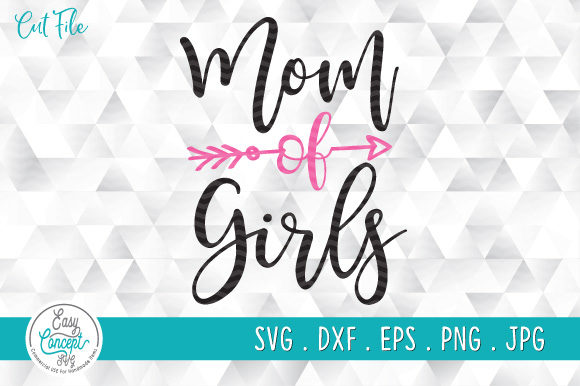
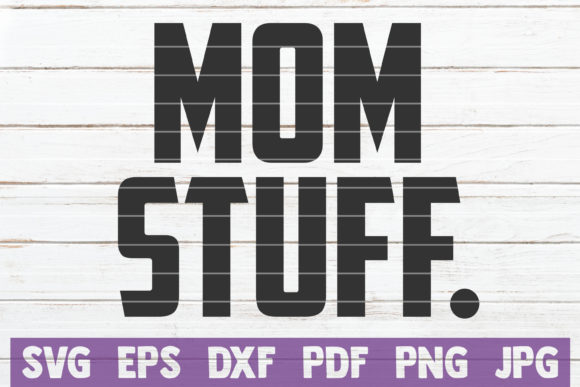
As a professional embroidery designer and product reviewer, I approach every new graphic with a specific question: will this actually stitch well on a finished product? When evaluating Mom Stuff, my assessment goes beyond the digital preview. I am looking at how this design translates from a screen to fabric, specifically for makers running small businesses or creating meaningful personalized gifts. The download package is robust, including DXF, PDF, SVG, PNG (300ppi with transparent background), JPG, and EPS files. This versatility suggests the creator understands that modern crafters need assets for both machine embroidery and printable mockups, but the true test lies in its practical application.
First Impressions and Visual Personality
Upon opening the vector and raster files, Mom Stuff presents a clear visual hierarchy. In the realm of Crafts and Graphics, designs labeled with this theme often risk being overly cluttered or sentimentally generic. However, this design feels balanced. The layout suggests it was created with stitching order in mind, which is critical for avoiding registration issues on stretchy fabrics like sweatshirt fleece or jersey knits. The mood strikes a chord between nostalgic warmth and modern cleanliness, making it suitable for contemporary boutique products rather than just traditional nursery decor. For an Etsy seller or handmade shop owner, this aesthetic flexibility is valuable because it appeals to a broader demographic of mothers who appreciate stylish, wearable art over juvenile motifs.
Real-World Application: The Custom Sweatshirt Test
To truly evaluate this machine embroidery design, I mentally placed it in a real-life production scenario: creating a custom embroidered sweatshirt for a Mother’s Day capsule collection. This is a high-stakes project where stitch clarity and customer perception directly impact sales. Mom Stuff appears optimized for this exact use case. The design elements seem substantial enough to hold their own against the texture of French terry or heavyweight cotton without getting lost, yet not so dense that they create a bulletproof patch effect that distorts the garment drape.
When planning this sweatshirt embroidery, I would utilize the included SVG or DXF file to verify sizing within my embroidery software before committing to fabric. The 300ppi PNG with a transparent background is particularly useful here. Before loading a single bobbin, I can overlay this high-resolution image onto a digital apparel template to create a professional printable mockup. This allows me to list the item in my shop or show a client exactly what the finished product will look like, building trust and securing pre-orders before production begins. This workflow bridges the gap between digital design assets and tangible commercial embroidery outcomes.
Navigating Fabric Challenges and Stabilizer Choices
While Mom Stuff shows promise, experienced makers know that performance varies by substrate. If you are adapting this design for baby embroidery on thin cotton interlock or bamboo blends, caution is required. These fabrics are unforgiving. You must confirm the stitch density is appropriate; if the design contains heavy fill stitch areas, you may need to add a layer of lightweight cut-away stabilizer or use a topping to prevent puckering. Conversely, if applying this as a tote bag design on canvas, the fabric texture might obscure fine running stitch details. In that case, consider slightly increasing the stitch length or using a heavier thread weight to ensure the design reads clearly from a distance.
For those considering this as an embroidered patch or cap design, check the physical dimensions against your hoop size immediately. Caps present unique challenges due to curvature and limited vertical space. If Mom Stuff includes tall vertical elements, they may require resizing or re-digitizing to fit a curved brim area without flagging. Always test on a scrap piece of the actual target material first. A design that looks perfect on screen can fail on textured terry cloth or ribbed knit if the underlay isn't sufficient to stabilize the surface.
Commercial Viability and Brand Consistency
For creative entrepreneurs and small shop owners, consistency is key to brand recognition. Mom Stuff serves as a strong anchor for holiday embroidery collections or everyday mom merchandise because of its versatile file formats. The inclusion of EPS and DXF files means you can scale the artwork infinitely without pixelation, ensuring that whether you are stitching a 4x4 inch chest logo or a large back print, the edges remain crisp. This scalability protects the perceived value of your handmade product. Customers associate clean, sharp stitching with quality; fuzzy edges or distorted letters suggest amateur work.
Furthermore, having a high-quality PNG asset aids in marketing. When listing custom apparel or personalized gifts online, buyers cannot touch the fabric. They rely entirely on your visuals. Using the provided transparent PNG to create realistic lifestyle mockups helps bridge that sensory gap. It allows you to showcase the design on various colored garments—checking contrast against dark navy versus light heather grey—to ensure visibility. Remember to review licensing terms carefully before selling finished items or digital embroidery files derived from this asset to protect your business legally.
Essential Pre-Stitch Checklist for Makers
Before running Mom Stuff on a final garment, run through this practical checklist to ensure professional results:
- Verify Hoop Compatibility: Measure the design dimensions in your software and compare them to your machine’s maximum stitch area. Do not assume standard sizing.
- Check Thread Colors: Review the color chart in the PDF or software file. Ensure you have adequate contrast between the design threads and your chosen fabric base.
- Test Stitch Density: Run a sample on scrap fabric identical to your final project. Check for gaps in satin stitch columns or excessive pull on fill areas.
- Evaluate Small Details: Inspect tiny text or intricate corners. If they are too small for reliable stitching, edit them out or simplify them to prevent thread breaks and bird nesting.
- Mockup Validation: Use the 300ppi PNG to test placement visually. Ensure the design sits correctly relative to seams, collars, or pockets.
- Stabilizer Selection: Match your backing to the fabric weight. Use tear-away for stable woven fabrics and cut-away for stretchy knits to maintain shape after washing.
- Licensing Confirmation: Double-check if the license permits commercial sale of finished embroidered goods versus digital file redistribution.
Final Thoughts on Design Integrity
Mom Stuff represents a thoughtful addition to a maker’s library, provided it is treated with technical respect. Its strength lies in its adaptability across different mediums, from cozy sweatshirt embroidery to functional tote bag design. By leveraging the comprehensive file set—from vectors for editing to high-res rasters for marketing—you elevate both the production quality and the presentation of your work. Whether you are crafting a personalized gift for a friend or scaling up inventory for a craft fair, success comes from understanding how this digital asset interacts with physical materials. Test thoroughly, stabilize appropriately, and let the design’s inherent charm shine through superior execution. This is how we turn simple graphics into cherished, professional-grade embroidered treasures that customers are proud to wear and display.