Pitbull Mom, Pitbull Dad: A Designer’s Embroidery Review
As a professional embroidery designer and product reviewer, I approach every new graphic with a specific question: will this actually stitch out beautifully on a finished product? When evaluating the Pitbull Mom, Pitbull Dad design assets, my focus shifts immediately from the screen to the hoop. This isn't just about cute graphics; it is about understanding how these digital files translate into tangible, high-quality merchandise for craft businesses and personal projects. The ZIP file contains SVG, DXF, and PNG formats, which suggests versatility for both cutting machines and embroidery digitizing software, but as any experienced maker knows, file compatibility is only the starting point. The true test lies in stitch density, fabric interaction, and final visual appeal.
First Impressions and Visual Personality
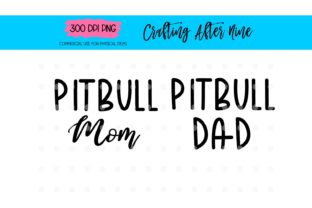
Upon opening the files, the Pitbull Mom, Pitbull Dad artwork presents a clear, bold aesthetic that resonates deeply with the pit bull community. The mood is affectionate yet sturdy, avoiding overly cutesy tropes in favor of a design that feels authentic to the breed's loyal nature. For an Etsy seller or boutique owner, this visual personality is crucial. It strikes a balance between niche specificity and broad appeal, making it suitable for everything from custom apparel to nursery decor. The layout appears balanced, which is a positive indicator for digitizing. However, before loading this into your machine embroidery design software, you must assess the line weight. Graphics intended for print often require modification for embroidery; thin lines may need to be converted to running stitches or thickened for satin stitch columns to prevent thread breaks and ensure clarity on textured fabrics.
Real-World Application: Stitching a Custom Sweatshirt
To truly judge this design, I mentally walked through a recent client project involving a heavyweight cotton sweatshirt. The goal was a personalized gift for a rescue volunteer. In this scenario, Pitbull Mom, Pitbull Dad serves as more than just decoration; it is a badge of identity. When applying this to fleece or French terry, stabilizer choice becomes paramount. I would recommend a medium-weight cutaway stabilizer to support the stitch density and prevent the fabric from puckering around the lettering or detailed dog elements.
If the design includes intricate facial features or small text, consider whether those details will survive the texture of the sweatshirt. Sometimes, simplifying a complex graphic into a cleaner applique design yields better results on napped fabrics than attempting a full fill stitch reproduction. For a tote bag design, the canvas provides a stable foundation that handles higher stitch counts well, allowing for more detail. Conversely, if you are planning baby embroidery on delicate onesies, you must reduce the stitch density significantly to avoid creating a stiff, uncomfortable patch that weighs down the garment. Always test on scrap fabric first to see how the specific Pitbull Mom, Pitbull Dad iteration behaves under needle penetration.
Navigating Fabric Challenges and Hoop Limitations
Not every surface is forgiving, and practical design judgment means knowing where to exercise caution. While Pitbull Mom, Pitbull Dad looks fantastic on screen, curved surfaces like caps present unique challenges. If the design is wide or tall, it may distort when wrapped around a hat frame. In such cases, resizing or re-digitizing specifically for headwear is necessary. Similarly, stretchy performance fabrics require careful handling; excessive stitch density can cause tunneling, while insufficient density leads to gaps. Using a water-soluble topping can help keep stitches crisp on these difficult materials.
Dark fabrics also demand attention. If the provided PNG is dark-colored, stitching it onto black or navy apparel requires either a white underlay base or selecting high-contrast thread colors to maintain visibility. Without this adjustment, even the most beautiful embroidery file can disappear against the background. Small hoop sizes are another constraint. If your machine has a limited embroidery area, verify that the design dimensions fit comfortably without requiring excessive re-hooping, which increases the risk of misalignment. For commercial embroidery projects destined for frequent washing, such as kitchen towels or aprons, ensure all edges are properly secured with satin stitch borders or adequate tack-downs to prevent fraying over time.
Elevating Product Value and Customer Trust
The difference between a hobbyist output and a professional handmade product often lies in execution. When customers purchase items featuring Pitbull Mom, Pitbull Dad, they are buying into a passion. Poor stitching, thread tension issues, or distorted proportions can erode trust instantly. High-quality execution signals respect for the subject matter. For small shop products and Etsy listings, presenting clean, well-lit photos of actual stitched samples builds confidence far better than digital mockups alone. While printable mockup tools are excellent for initial previews, nothing replaces the assurance of seeing how the satin stitch sheen catches the light or how the fill stitch interacts with the fabric texture.
Brand consistency matters for creative entrepreneurs. If you offer a range of pet-themed goods, ensure this design aligns stylistically with your existing catalog. Does the font match your other typography? Is the level of detail comparable? Consistency helps buyers recognize your work and encourages repeat purchases. Furthermore, consider the giftability factor. A well-executed embroidered patch or pillow cover featuring this theme makes for a thoughtful holiday embroidery gift or wedding present for fellow enthusiasts. The perceived value increases when the craftsmanship matches the emotional resonance of the design.
Essential Technical Notes for Makers and Sellers
Before listing any finished product or selling digital embroidery file variations, due diligence is non-negotiable. First, confirm licensing terms. Just because you purchased the graphics does not automatically grant rights to sell digitized versions or mass-produced merchandise. Check the original source documentation carefully. Second, always run a sew-out test. Monitor thread color contrast against various backgrounds; what looks good in software might vibrate visually when stitched in red on green fabric. Inspect small details closely after washing the test sample to ensure durability.
- Verify Compatibility: Ensure the SVG, DXF, and PNG files work seamlessly with your specific digitizing software and cutting machines before starting production.
- Assess Stitch Type: Determine early whether elements should be rendered as satin stitch, fill stitch, or running stitch based on the target fabric and desired texture.
- Check Dimensions: Confirm the design fits your available hoop size without distortion, especially for larger placements on sweatshirts or blankets.
- Test Stabilizers: Experiment with different stabilizer combinations on scrap material to find the perfect support for the specific fabric texture you intend to use.
- Review Licensing: Validate commercial usage rights for both physical products and digital assets to protect your craft business from legal issues.
- Evaluate Contrast: Test thread colors on both light and dark fabrics to guarantee readability and visual impact in real-world lighting conditions.
Ultimately, Pitbull Mom, Pitbull Dad offers significant potential for makers who approach it with technical mindfulness. Whether you are creating custom apparel for a local rescue fundraiser, stocking your Etsy shop with niche gifts, or crafting a personalized treasure for a friend, success depends on respecting the relationship between digital art and physical thread. By prioritizing proper testing, appropriate material selection, and professional finishing techniques, you transform simple graphics into enduring, cherished embroidery projects that celebrate the bond between humans and their beloved pitties. Remember, in the world of crafts and graphics, the best designs are those that survive the transition from pixel to stitch with integrity and charm intact.