This Is My Scary Mom Costume: Embroidery Review
As a professional embroidery digitizer and product reviewer, I approach every new machine embroidery design with a healthy dose of skepticism. We have all downloaded files that look perfect on screen but turn into thread nests or distorted text once the needle hits the fabric. When evaluating "This is My Scary Mom Costume," my primary focus is not just the humor of the phrase, but how this specific embroidery file translates from a digital graphic to a tangible, sellable product. For Etsy sellers, craft business owners, and hobbyists, the viability of a design depends entirely on its stitch integrity and marketability.
First Impressions and Visual Hierarchy
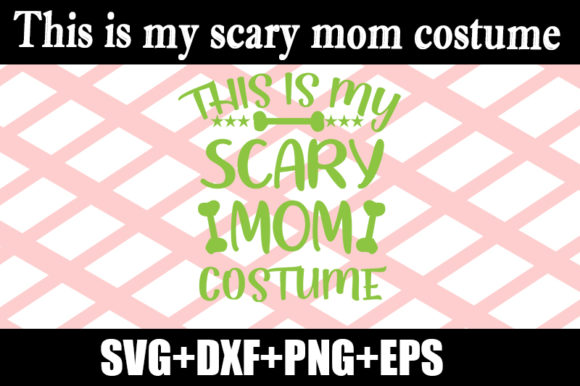
Upon opening the source files—which include SVG, DXF, EPS, and PNG formats—my immediate assessment focuses on the layout and visual weight. The phrase "This is My Scary Mom Costume" relies heavily on typography. In the world of Graphics and Crafts, text-based designs are deceptively simple. They require precise spacing and legibility. This design carries a distinct mood; it is playful yet bold, suggesting it belongs on casual wear rather than formal items. The visual personality screams autumn festivals, school pickups, and Halloween parties. As a designer, I appreciate that the layout appears balanced, which is critical when centering a design on a chest or pocket area. However, because this is primarily a typographic statement, the success of your finished product will depend on choosing the right font rendering within your embroidery software if you are converting the vector art yourself, or verifying the digitizing quality if purchasing a pre-digitized version.
Real-World Application: The Sweatshirt Test
To truly judge this design, I mentally placed it in a real-life production scenario. Imagine preparing a custom crewneck sweatshirt for a client who wants a matching set for herself and her daughter. This is a classic use case for sweatshirt embroidery. Fleece and French terry fabrics are unforgiving; they have texture and stretch that can swallow fine details. If "This is My Scary Mom Costume" utilizes thin running stitch lettering, it risks disappearing into the fleece nap. For this project, I would look for or adjust the design to feature a sturdy satin stitch or a filled column stitch. This ensures the text pops against the fabric texture and maintains readability from a distance.
In this scenario, customer trust is built on durability. A mom wearing this to a trunk-or-treat event needs the embroidery to withstand washing and active wear. If the stitch density is too high, the sweatshirt fabric might pucker or become stiff like cardboard. If it is too low, the letters may gap. Finding that sweet spot is what separates a professional handmade product from an amateur attempt. This design has high potential for custom apparel, provided the maker respects the relationship between thread tension and fabric stability.
Navigating Fabric Challenges and Hoop Sizes
While this design shines on stable knits, caution is required for other applications. I would advise against using this specific phrase on curved surfaces like caps unless the design has been specifically arched and digitized for hat hoops. Flat text on a curved brim often results in distortion at the edges. Similarly, be wary of placing this on lightweight baby clothes. While baby embroidery is a lucrative niche, the phrase "Scary Mom" might be better suited for adult-sized tote bag design projects or aprons rather than infant onesies, both for thematic appropriateness and fabric safety.
When working with dark fabrics, contrast is king. You must verify that the thread colors selected provide enough separation from the background. White or bright orange thread on black cotton is ideal, but heather gray on navy blue will fail visually. Always test your colorway. Furthermore, check your hoop size limitations before committing to a large format. If you are resizing the design significantly to fit a smaller hoop, ensure the aspect ratio remains intact so the letters do not appear squashed or stretched. Resizing vector graphics (SVG/EPS) is safe, but resizing a pre-digitized embroidery file beyond 10-20% can compromise stitch angles and cause registration issues.
Commercial Viability for Makers and Sellers
For those running a small shop product line or selling on Etsy, "This is My Scary Mom Costume" offers excellent seasonal leverage. It fits perfectly into the Q4 rush for holiday embroidery and fall merchandise. However, commercial success requires more than just stitching the design; it requires presentation. Use the included PNG file to create accurate printable mockup images for your listings. Customers need to visualize the scale and placement before buying. A flat digital image does not convey the tactile reality of embroidery.
Value perception also ties into finishing. If you are selling this as a physical item, ensure your stabilizer choice matches the garment. Using a tear-away stabilizer on a stretchy knit sweatshirt is a recipe for disaster; opt for cut-away mesh to maintain drape and prevent tunneling. Professionalism in commercial embroidery is defined by these invisible technical choices. Additionally, always confirm licensing. Just because you possess the digital embroidery file does not automatically grant unlimited commercial rights for mass production. Verify whether the license covers selling finished goods versus selling the digital assets themselves.
Essential Pre-Stitch Checklist for Designers
Before you load this design into your machine for a paid order, run through this practical checklist to protect your reputation and materials:
- Test Stitch First: Never run a new design directly on a client’s garment. Stitch "This is My Scary Mom Costume" on scrap fabric similar to your final project to check for puckering, thread breaks, or alignment issues.
- Verify Stabilizer Pairing: Match your backing to the fabric weight. Heavy denim needs different support than jersey knit. This prevents the design from distorting after washing.
- Check Small Details: Inspect any decorative elements or punctuation marks. Tiny accents often get lost or cause needle breaks if they are below 2mm in height.
- Review Thread Contrast: View your thread selection in natural light. What looks good under LED studio lights might look muddy in daylight photos.
- Confirm File Compatibility: Ensure your machine reads the specific format (DST, PES, JEF, etc.) converted from the provided SVG/DXF/EPS/PNG bundle without corruption.
- Assess Washability: Consider the end user. Will this item be laundered frequently? Adjust top stitch length or add an underlay if necessary to secure the design against wear.
Final Thoughts on Design Integrity
"This is My Scary Mom Costume" is a strong contender for seasonal catalogs and personalized gifts, but its execution determines its value. Whether you are creating a personalized gift for a friend or stocking your boutique, treat the design with technical respect. The transition from a vector graphic to a stitched masterpiece requires understanding fabric texture, tension, and appropriate application. By testing thoroughly and selecting the right substrates, you transform a simple phrase into a high-quality embroidered patch or garment that customers will be proud to wear. Remember, in our industry, the best design is one that survives the wash cycle and still looks crisp five years later. Approach this file with craftsmanship, and it will serve your business well.