This Mom Runs on Coffee and Wine: A Designer Review
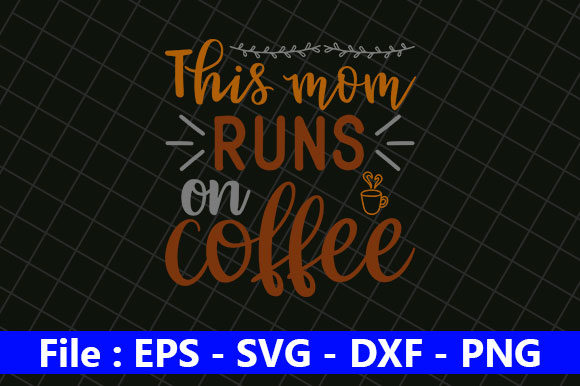
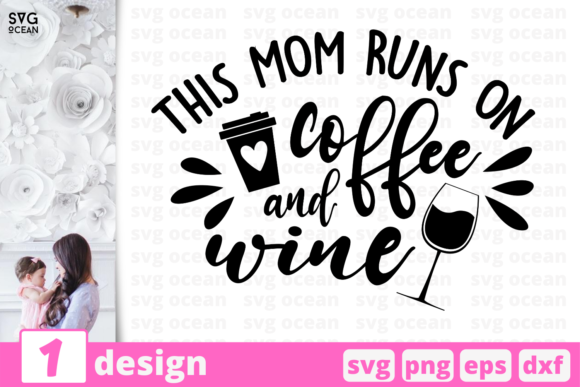
As a professional embroidery digitizer and product reviewer, I approach every new machine embroidery design with a critical eye. It is not enough for a graphic to look charming on a screen; it must translate into physical stitches that withstand washing, wearing, and the scrutiny of paying customers. When evaluating "This Mom Runs on Coffee and Wine," my primary focus is on how this relatable, humorous phrase transitions from a digital concept to a tangible handmade product. This design speaks directly to a specific demographic of mothers who appreciate humor and authenticity, making it a potential staple for any Etsy seller or craft business focusing on lifestyle apparel and accessories.
First Impressions and Visual Personality
Upon opening the zipped folder containing the SVG, DXF, PNG, and EPS formats, the immediate impression is one of modern relatability. In the realm of Crafts and Graphics, typography-driven designs often struggle with stitch translation, but this layout appears balanced. The mood is lighthearted yet sophisticated enough for adult apparel. It avoids the overly cutesy aesthetic that can sometimes alienate buyers looking for stylish, wearable mom gear. As a designer, I appreciate that the visual hierarchy supports the text without overwhelming it. This balance is crucial when converting vector art into an embroidery file, as excessive detail can lead to puckering or thread breaks on lighter fabrics.
The versatility of the included formats cannot be overstated. While I am reviewing this for embroidery, the SVG compatibility with Cricut Design Space and Silhouette Designer Edition means this asset can serve dual purposes in a small shop product line. You could easily create matching vinyl decals for tumblers while embroidering the same sentiment on sweatshirts, ensuring brand consistency across different mediums. For those using Make the Cut MTC, Sure Cuts A Lot SCAL, or Brother ScanNCut, having these native files ready saves valuable production time.
Real-World Application: The Custom Tote Bag Test
To truly judge the viability of "This Mom Runs on Coffee and Wine," I mentally placed it in a real-life production scenario: a custom canvas tote bag intended for a boutique holiday collection. Tote bags are high-stress items; they are stuffed full, washed frequently, and subjected to friction. For this tote bag design, I would evaluate whether the lettering utilizes a sturdy satin stitch or a dense fill stitch. Thin, delicate fonts might disappear against the coarse weave of canvas or burlap.
In this scenario, I envision pairing the design with a contrasting thread color to ensure readability. If the tote is natural canvas, a deep burgundy or espresso brown thread would reinforce the coffee and wine theme while providing necessary contrast. As an embroidery project, this application requires careful consideration of stabilizer. A heavy cut-away stabilizer would be non-negotiable here to prevent the fabric from distorting under the weight of the stitches. If the design includes any decorative flourishes around the text, I would check if they function as applique design elements, which can reduce stitch count and add texture, or if they are purely stitched accents. For a commercial run, reducing stitch count without sacrificing legibility is key to maintaining profit margins.
Navigating Fabric Textures and Hoop Constraints
Not all garments are created equal, and neither are embroidery surfaces. While this design likely shines on smooth cotton tees or fleece sweatshirts, caution is required for textured materials. When planning sweatshirt embroidery, the loft of the fabric can swallow fine details. I always recommend testing on a scrap piece of the exact garment material first. If the font in "This Mom Runs on Coffee and Wine" features tight kerning or serifs, you may need to slightly increase spacing during the digitizing verification process to prevent thread buildup.
Small hoop size limitations also demand attention. If you are working with a 4x4 hoop, verify that the design fits comfortably within the safe stitching area, leaving room for proper hooping tension. Cramped designs near the hoop edges often result in misalignment. Furthermore, consider the end-use. For baby embroidery items like bibs or burp cloths, ensure the back of the embroidery is smooth or covered, as dense stitching can irritate sensitive skin. While this phrase targets moms, if you are adapting it for family-matching sets or nursery decor, safety and comfort must take precedence over visual complexity.
Commercial Viability and Customer Trust
For the creative entrepreneur, this design represents more than just a cute saying; it is a tool for buyer engagement. Customers trust shops that present professional, clean finished products. Using a high-quality digital embroidery file ensures that your finished product looks crisp rather than amateurish. When listing this on Etsy or at craft fairs, your photos should reflect the actual stitch quality. Avoid relying solely on digital mockups; show the texture of the thread. This transparency builds confidence.
However, a vital step before selling is confirming licensing. Just because you purchased the download does not automatically grant unlimited commercial rights for commercial embroidery. Always review the specific terms provided by the creator. Can you sell physical embroidered items? Can you use the PNG for printable mockup listings? Clarifying this protects your business. Additionally, consider how this design fits your broader catalog. Does it complement your existing personalized gift offerings? A cohesive shop aesthetic helps turn one-time buyers into repeat customers.
Technical Checklist for Professional Results
Before committing "This Mom Runs on Coffee and Wine" to a final product, run through this practical checklist to ensure quality control:
- Test Stitch-Out: Never skip this step. Verify registration, density, and trim jumps on scrap fabric identical to your final project.
- Contrast Check: View the design in black and white to ensure the values hold up. Low contrast between thread and fabric kills readability.
- Stabilizer Selection: Match the stabilizer to the fabric weight. Use tear-away for stable wovens and cut-away for knits and stretchy fabrics.
- Detail Inspection: Zoom in on the smallest letters. If they are thinner than 1mm, they may require redesigning or switching to a running stitch for clarity.
- Wash Testing: If selling custom apparel, wash and dry the test sample to check for shrinkage or thread distortion.
- File Verification: Confirm the specific file format works with your machine software before starting a bulk order.
Final Thoughts on Design Utility
"This Mom Runs on Coffee and Wine" holds significant promise for makers and decorators who understand their audience. Its strength lies in its emotional resonance and adaptability across various design assets. Whether you are creating a holiday embroidery gift for a friend’s new baby mama or stocking your shop with best-selling graphic tees, success depends on technical execution. By respecting the interplay between the digital file and the physical substrate, you elevate this graphic from a simple download to a premium embroidered patch or garment decoration. Remember, in the world of handmade goods, the difference between a hobbyist and a professional often comes down to these deliberate, thoughtful adjustments made before the needle ever pierces the fabric.