Wife Mom Witch: A Designer’s Embroidery Review
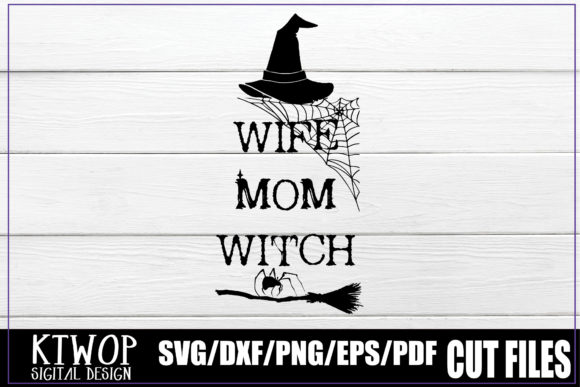
When evaluating a new digital asset for my studio, I look beyond the initial aesthetic appeal and focus entirely on production viability. The Wife Mom Witch design immediately caught my attention as a versatile graphic that bridges the gap between modern lifestyle branding and niche identity. As an experienced embroidery product reviewer, my first impression was not just about the artwork itself, but how those lines and shapes would translate into physical thread. This design carries a distinct mood that balances domestic warmth with mystical empowerment, making it a strong candidate for specific types of handmade products. However, moving from a screen to a hoop requires careful consideration of stitch types, fabric interaction, and commercial application.
Translating Vector Graphics to Stitched Reality
The provided file types for Wife Mom Witch include SVG, DFX, EPS, PNG, and PDF. For machine embroidery designers, this is a crucial detail. These are primarily vector and raster graphics, meaning they serve as excellent source material for digitizing or tracing, but they are not pre-digitized embroidery files like DST or PES. This distinction matters significantly for your workflow. If you are an Etsy seller or apparel decorator planning to use this for custom apparel, you will need to digitize the design yourself or hire a professional digitizer to convert these vectors into a stitch-ready format. The advantage here is control; because you are working from clean vector lines in the SVG or EPS formats, you can customize the stitch density and underlay specifically for your target fabric rather than relying on a generic auto-digitized file.
Visually, the layout of Wife Mom Witch suggests a vertical or stacked arrangement that works beautifully for sweatshirt embroidery and tote bag designs. The typography and iconography appear balanced enough to maintain readability when stitched, which is often the biggest failure point in text-based embroidery projects. When I visualize this on a heavy cotton fleece sweatshirt, I see the potential for a combination of satin stitch for the lettering and fill stitch for any illustrative elements. The clean lines in the provided graphics indicate that the design should hold its shape well during the stitching process, provided the correct stabilizer is used to prevent puckering on stretchy knit fabrics.
Real-World Application: The Custom Tote Bag Test
To truly judge the value of this design, I mentally placed it into a real-life production scenario: creating a premium canvas tote bag for a boutique client targeting mothers who embrace alternative spirituality. In this context, Wife Mom Witch serves as more than just decoration; it acts as a brand identifier. For a tote bag design, durability is paramount. Bags are washed frequently, tossed onto floors, and overloaded with groceries. A delicate running stitch might get lost in the canvas texture or break under stress. Therefore, when adapting this graphic, I would recommend increasing the stitch density slightly and using a robust tear-away stabilizer paired with a light fusible backing to ensure the design remains crisp after multiple wash cycles.
This specific project highlights the importance of scale. On a large tote, the design has room to breathe, allowing for intricate details in the "witch" imagery without risking thread breaks or registration issues. However, if you were to adapt this same concept for baby embroidery or a small pocket logo on a t-shirt, significant simplification would be necessary. Tiny lettering often turns into an unreadable mess of thread knots if the satin stitch columns are too narrow. Always test the design on scrap fabric first, especially when scaling down. For the tote bag application, the contrast between dark thread on natural canvas creates a high-end, artisanal feel that customers associate with quality handmade products. This visual clarity directly impacts perceived product value and customer trust.
Navigating Fabric Textures and Technical Constraints
While Wife Mom Witch offers strong visual personality, its success depends heavily on where you place it. Not all fabrics are created equal, and this design will perform differently across various substrates. On smooth, tightly woven fabrics like quilting cotton or twill, the design should render with sharp edges and clean transitions. However, exercise caution when applying this to highly textured fabrics like terry cloth towels or chunky knits. The texture can swallow fine details, making the "mom" or "wife" script difficult to read. In such cases, adding a knockdown stitch layer beneath the design is essential to flatten the fabric pile before the decorative stitches land.
Dark fabrics present another challenge. If you are stitching white or light-colored thread onto black denim or navy sweatshirts, you must account for show-through. Without proper underlay, the dark fabric color can bleed through the top threads, muddying the design. Conversely, on thin or sheer fabrics, a dense version of Wife Mom Witch could cause tearing or excessive stiffness. Always match your stabilizer weight to both the fabric and the design density. For stretchy performance wear or ribbed knits, use a cut-away stabilizer to prevent the design from distorting when the garment moves. Remember, a distorted logo looks unprofessional and can damage your reputation as a maker or small shop product creator.
Commercial Viability and Brand Consistency
For creative entrepreneurs and craft business owners, consistency is key to building a recognizable brand. Wife Mom Witch fits neatly into current market trends, appealing to buyers looking for personalized gifts that reflect multifaceted identities. Whether used for holiday embroidery collections or year-round boutique merchandise, the design possesses enough character to stand out in crowded Etsy search results. However, professionalism extends beyond the design choice. Before listing any finished product for sale, verify your licensing rights. Ensure that your purchase of these graphics includes commercial usage permissions for embroidered goods. Nothing undermines buyer engagement faster than a shop taken down for IP infringement.
When creating printable mockups for your online listings, utilize the provided PNG and PDF files to create accurate digital previews. Since photos on the example are not included in the listing, you have the creative freedom—and responsibility—to photograph your own samples. Authentic photos of the actual stitched product build far more trust than generic digital renders. Show the texture of the thread, the drape of the fabric, and the true scale of the design. This transparency helps manage customer expectations and reduces return rates. Additionally, consider how this design pairs with other assets in your library. Does it complement your existing font styles? Can it be mixed with floral applique designs or seasonal borders? Building a cohesive collection around Wife Mom Witch can increase average order value by encouraging bundle purchases.
Essential Pre-Production Checklist for Makers
Before you commit to a full production run or accept a custom commission featuring Wife Mom Witch, run through this practical checklist to ensure professional results:
- Verify File Compatibility: Confirm that your digitizing software opens the SVG or DFX files correctly without losing anchor points or curves.
- Test Stitch Density: Run a sample on the exact fabric you intend to use. Adjust pull compensation if letters are shrinking or gaps are appearing between outlines and fills.
- Check Thread Contrast: View your thread selection in both natural and artificial light. Some colors that look distinct on screen may blend together in physical thread form.
- Evaluate Hoop Size: Ensure the design fits comfortably within your hoop with adequate margin for clamping. Avoid maxing out the hoop area, as tension issues at the edges can ruin the final product.
- Inspect Small Details: If the design includes tiny stars, dots, or serif fonts, verify they are large enough to stitch cleanly. Redraw or remove elements that fall below 1mm in width.
- Review Licensing: Double-check the terms regarding commercial embroidery versus digital resale. Never resell the raw vector files unless explicitly permitted.
- Create Physical Samples: Photograph your test stitch-out for marketing materials. Real-world lighting and texture convey quality better than any digital mockup.
Ultimately, Wife Mom Witch represents a solid foundation for a variety of embroidery projects, from personalized gifts to commercial apparel lines. Its strength lies in its thematic resonance and clean vector construction, but its success in thread relies entirely on your technical execution. By respecting the relationship between digital art and physical materials, testing rigorously, and presenting your work professionally, you can transform this graphic into a profitable and meaningful addition to your creative portfolio. Treat every stitch as a reflection of your craftsmanship, and your customers will recognize the difference between a generic print and a thoughtfully executed handmade product.