Favorite Player Calls Me Mom Softball Design Review
As a professional embroidery designer and product reviewer, I approach every new digital asset with a critical eye toward its final stitched reality. When evaluating the Favorite Player Calls Me Mom Softball graphic for potential use in machine embroidery projects, my primary concern is how this digital file translates from screen to fabric. This design carries a specific emotional weight and niche appeal that makes it a strong contender for sports moms, but its success depends entirely on technical execution and appropriate application. Before loading this embroidery file into your software or listing a finished product in your shop, it is vital to understand how its visual personality interacts with real-world textiles and stitching constraints.
Evaluating Visual Hierarchy and Emotional Resonance
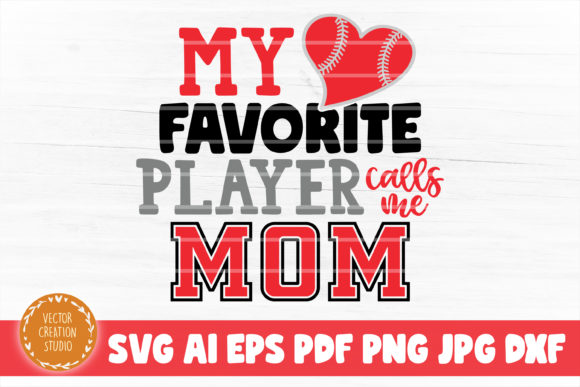
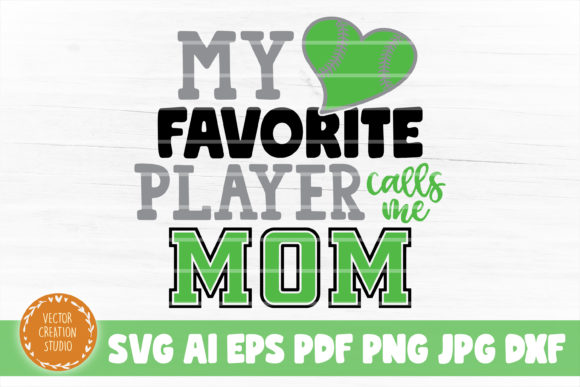
The first impression of the Favorite Player Calls Me Mom Softball design is one of sentimental pride mixed with athletic spirit. Visually, this type of graphic typically balances bold, varsity-inspired typography with softer, script elements to convey both strength and affection. For an Etsy seller or craft business owner, this duality is gold. It targets a very specific buyer persona: the mother who wants to celebrate her child’s athletic achievements while acknowledging her own role in that journey. However, as a designer, I look beyond the sentiment to the layout. Does the text flow naturally? Is the softball icon integrated seamlessly or does it feel tacked on? A well-executed version of this design should have a cohesive center of gravity, ensuring that when embroidered on a sweatshirt or tote bag, the eye is drawn immediately to the message without getting lost in cluttered details.
In terms of mood, this design leans heavily into personalized gift territory. It feels custom even before you add a name or number. For handmade product creators, this inherent "custom feel" increases perceived value. Customers are not just buying a generic softball graphic; they are buying an identity. When reviewing this asset, I assess whether the line weights and spacing will hold up when converted to stitch types. Thin, wispy fonts might look elegant on a screen but can become fragile running stitches that disappear into textured fabrics. Ideally, the lettering in this design should be substantial enough to support satin stitch columns or dense fill stitches, ensuring legibility and durability on the finished product.
Real-World Application: The Custom Sweatshirt Test
To truly judge the viability of the Favorite Player Calls Me Mom Softball design, I mentally place it in a real-life production scenario. Let’s consider a custom apparel project: a heavyweight cotton fleece sweatshirt intended for a travel ball team mom. This is a high-stakes application because fleece has a nap that can swallow fine details. If I were producing this, I would need to verify that the design includes adequate underlay or compensation for the fabric texture. A flat, low-density version of this graphic would fail here, resulting in a sunken, unprofessional appearance.
In this sweatshirt scenario, the design serves as a centerpiece. I would likely position it across the chest or centered on the back. Because this is often worn at tournaments and outdoor events, the thread colors must offer high contrast against the garment base. If the sweatshirt is navy blue, using a white or metallic silver thread for the main text ensures the message pops. This practical consideration affects customer satisfaction directly. A design that looks muddy or hard to read from a distance fails its primary purpose. Furthermore, if you are offering this as part of a boutique branding collection, consistency is key. You might pair this sweatshirt embroidery with a matching tote bag design or cap, requiring the graphic to scale effectively across different hoop sizes without losing integrity.
Navigating Fabric Limitations and Hoop Constraints
While the Favorite Player Calls Me Mom Softball theme is versatile, it is not universally forgiving. As an experienced maker, I must highlight where caution is required. This design likely contains intricate curves and potentially small accent details that demand stability. Using this on stretchy performance wear or thin jersey knits requires aggressive stabilization. Without a proper cut-away stabilizer and perhaps a topping, the registration could shift, causing the letters to misalign or the fabric to pucker. This is especially true if the design includes an applique element; the tack-down stitches must be secure enough to prevent fraying during washing.
Hoop size is another critical factor. If you intend to use this for baby embroidery items like onesies or bibs, you must confirm the design scales down cleanly. Reducing a complex graphic by 50% often renders internal details illegible and turns satin stitches into indistinguishable lumps. Conversely, enlarging it for a large pillow cover or blanket may expose gaps in fill stitch areas if the original digitizing was not optimized for expansion. Always check the native dimensions of the digital embroidery file before committing to a project. Additionally, curved surfaces like caps present unique challenges. Unless the design was specifically digitized for cylindrical hoops, flattening it onto a structured cap can lead to distortion. In such cases, testing on a scrap cap or opting for a flat-brim hat style is advisable.
Commercial Viability and Professional Presentation
For creative entrepreneurs and digital product sellers, the commercial potential of this design hinges on presentation and licensing clarity. Since this is an instant digital download compatible with cutting machines and design software, versatility is a selling point. However, for embroidery specifically, you must ensure the file format matches your machine's requirements. Beyond compatibility, consider how this design impacts your brand's professionalism. High-quality stitch-outs of the Favorite Player Calls Me Mom Softball design serve as powerful marketing assets. Creating printable mockups is useful for listings, but nothing builds buyer engagement and trust like a photo of the actual embroidered patch or finished garment.
When selling finished products featuring this design, transparency regarding care and longevity adds value. Educate your customers that proper stabilizer use and thread selection were employed to ensure the design withstands frequent washing—a non-negotiable for sports gear and kids' items. If you are selling the digital assets themselves, clearly state what is included. Does the download contain multiple formats? Are there separate files for applique versus full stitch-out? Clear communication prevents negative reviews and returns. Remember, in the crafts and graphics category, reputation is built on reliability. A design that stitches out beautifully every time becomes a staple in your library, whereas one that requires constant troubleshooting drains your profit margin.
Essential Designer Notes for Success
Before you begin stitching or selling, adhere to these practical guidelines to maximize the potential of the Favorite Player Calls Me Mom Softball design:
- Test Stitch First: Never run this design on a final product without a test sew-out on similar scrap fabric. Check for registration issues, density problems, and overall size appropriateness.
- Verify Licensing: Confirm whether your purchase allows for commercial use of finished items or if it is restricted to personal use. This distinction is critical for Etsy sellers and small shop owners.
- Assess Thread Contrast: Evaluate your thread colors against both light and dark backgrounds. What works on white cotton may vanish on heather gray. Adjust thread choices based on the specific garment color.
- Check Small Details: Inspect any tiny elements or serifs in the design. If they are smaller than 1mm, they may need to be removed or simplified to prevent needle breaks or fabric damage.
- Stabilizer Selection: Match your stabilizer to the fabric weight and stretch. Use tear-away for stable wovens and cut-away for knits or stretchy athletic wear to maintain shape over time.
- Mockup Accuracy: When creating digital previews, ensure the mockup reflects the actual stitch texture and scale. Misleading representations can lead to customer disappointment and returns.
- Wash Testing: If creating samples for portfolio use, wash and dry the test piece to see how the design holds up. This informs your care instructions and guarantees long-term quality for your clients.
Ultimately, the Favorite Player Calls Me Mom Softball design offers significant opportunity for connection and commerce within the sports crafting niche. By approaching it with technical diligence and a focus on real-world application, you transform a simple digital file into a cherished, professional-grade embroidered product that resonates deeply with its audience.