Mom of the Cutest Baseball Player On: Design Review
As an embroidery digitizer and product reviewer, I approach every new machine embroidery design with a specific question: will this actually stitch out cleanly on real fabric, or is it just a pretty graphic that falls apart under the needle? When evaluating "Mom of the Cutest Baseball Player On The Field," my focus shifts immediately from digital aesthetics to physical application. This design sits squarely in the intersection of sentimental family pride and sports culture, making it a high-potential asset for Etsy sellers, craft business owners, and makers creating personalized gifts. However, translating a digital graphic into a durable finished product requires understanding how the design interacts with thread tension, fabric grain, and customer expectations.
First Impressions and Visual Hierarchy
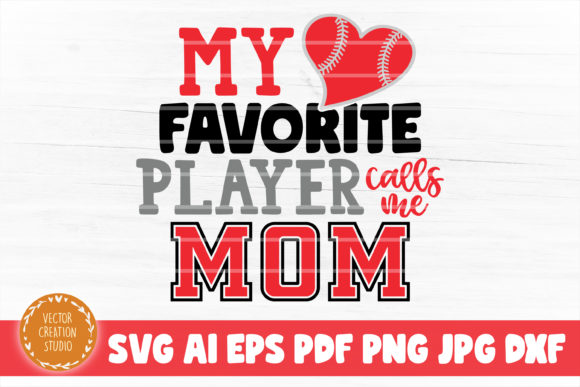
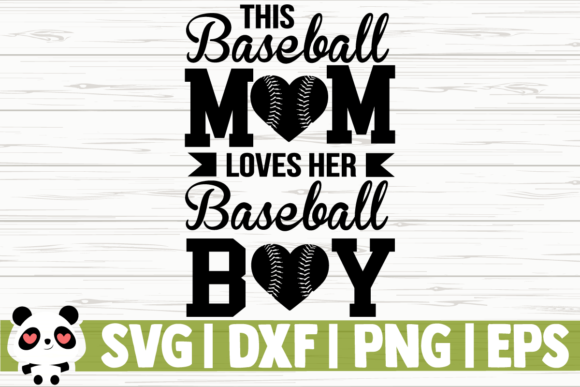
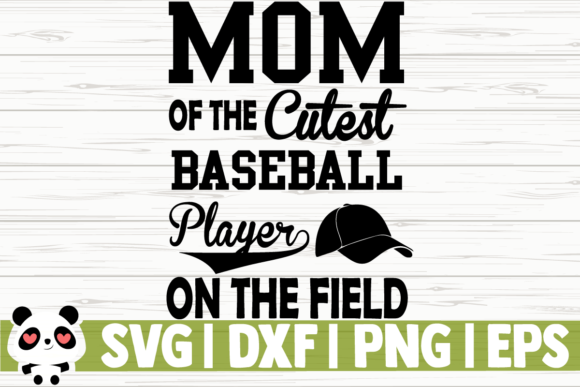
The initial appeal of "Mom of the Cutest Baseball Player On" lies in its clear emotional hook. As a digital embroidery file, the layout suggests a balanced composition where the text supports the central theme without overwhelming it. For a designer, the hierarchy is crucial; the phrase needs to be legible from a distance, whether on a sideline or in a photo. The typography appears playful yet structured, which is essential for custom apparel. In the world of Crafts and Graphics, readability often gets sacrificed for style, but this design seems to prioritize clarity. The mood is celebratory and affectionate, making it ideal for spring and summer seasons when youth baseball is at its peak. From a commercial standpoint, this specific phrasing targets a very active buyer demographic: proud parents who want to showcase their child’s participation without being overly aggressive or generic.
Real-World Application: The Sweatshirt Test
To truly evaluate this design, I mentally placed it onto a Gildan 18000 sweatshirt, a staple for sweatshirt embroidery projects. Imagine preparing a custom order for a client whose son just made the all-star team. She wants a crewneck she can wear to evening games when the temperature drops. This is where the design must perform. On fleece, the pile can swallow fine details. If "Mom of the Cutest Baseball Player On" relies heavily on thin running stitch lettering, it risks disappearing into the fabric texture. A successful stitch-out on fleece requires adequate stitch density and proper column width.
In this scenario, I would also consider using this as an applique design if the files support it or if you are modifying the vector assets. Applique reduces stitch count significantly, keeping the garment soft and breathable—a major selling point for moms wearing gear for hours. If stitching directly, ensuring the stabilizer choice matches the weight of the sweatshirt is non-negotiable. A medium-weight cutaway provides the necessary foundation to prevent puckering around the letters. Seeing this design successfully executed on a sweatshirt confirms its value as a boutique product that commands a higher price point than basic vinyl transfers because of the tactile quality of the embroidery.
Navigating Fabric Variables and Hoop Constraints
While sweatshirts are forgiving, other applications require more caution. I frequently see crafters attempt complex phrases on stretchy performance wear or textured tote bags. "Mom of the Cutest Baseball Player On" presents unique challenges depending on your chosen canvas. For tote bag design work, specifically on canvas or burlap, the uneven weave can cause registration issues between color changes. If the design includes multiple elements that must align perfectly, you must use a heavy-duty tear-away or wash-away stabilizer to maintain structural integrity during stitching.
Conversely, applying this to baby items or lightweight knits introduces the risk of distortion. Baby embroidery demands a lighter touch. If the design is too dense, it creates a bulletproof patch effect that ruins the drape of a onesie. Always check your hoop size before purchasing. A design that looks perfect in software might exceed your machine’s maximum stitching area, forcing you to resize. Resizing a digital embroidery file by more than 10-15% can alter stitch properties, turning satin stitches into fill stitches or causing gaps. For embroidered patch creation, this design could work beautifully on twill with merrowed edges, but verify the border definition first. Patches require tight, clean edges to look professional when sold as standalone merchandise.
Commercial Viability for Makers and Sellers
For the Etsy seller or small shop product creator, versatility is key. Does "Mom of the Cutest Baseball Player On" translate across different mediums? Absolutely, provided you manage expectations. This design has strong potential for holiday embroidery or end-of-season gifts. It fits naturally on pillow covers for nursery decor or kitchen towels for game-day snacks. However, visual appeal directly impacts perceived value. Customers judge handmade product quality by stitch consistency. If the lettering is jagged or the spacing is uneven due to poor digitizing or improper hooping, trust evaporates.
When listing this item, your printable mockup should accurately represent the embroidered texture. Do not use flat vector images as the primary photo for an embroidered listing; buyers need to see thread sheen and dimension. Use the included PNG file for digital previews, but photograph a physical sample for the main listing. This builds buyer confidence. Furthermore, consider the licensing. The download includes SVG, EPS, PNG, and DXF files, which are excellent for cutting machines and sublimation, but always confirm if the license permits commercial embroidery of finished goods versus selling the digital file itself. Protecting your business means respecting intellectual property while maximizing the utility of your design assets.
Technical Notes for a Professional Finish
Before running "Mom of the Cutest Baseball Player On" on a final garment, adhere to these professional protocols:
- Test Stitch Mandatory: Never skip testing on scrap fabric that matches your final project's weight and stretch. Check for thread breaks, bobbin tension issues, and registration alignment.
- Contrast Check: Evaluate thread colors against both light and dark backgrounds. White thread on navy fleece reads differently than navy thread on white cotton. Ensure legibility remains high in all intended colorways.
- Density Audit: Inspect the design in your editing software. If the satin stitch columns are wider than 7mm, they may snag or loop. If they are under 1mm, they may cut through delicate fabrics.
- Stabilizer Matching: Pair knit fabrics with cutaway stabilizer and woven fabrics with tear-away. For caps or curved surfaces, use specialized cap backing to prevent flagging.
- File Verification: Since the package includes SVG, EPS, PNG, and DXF, ensure you are converting or digitizing correctly for embroidery if a specific PES/DST file isn't included. Vector files are great for tracing, but they do not contain stitch data unless specified.
Elevating the Finished Product
Ultimately, "Mom of the Cutest Baseball Player On" succeeds because it speaks a specific language to a passionate audience. Whether you are creating a personalized gift for a friend or stocking your shop for baseball season, the execution defines the outcome. A well-stitched version of this design signals professionalism and care. It transforms a simple phrase into a cherished keepsake. By paying attention to fabric texture, respecting hoop size limitations, and validating your process through testing, you ensure that every stitch honors the sentiment behind the words. This thoughtful approach is what separates hobbyists from established brands in the competitive landscape of custom apparel and handmade goods.