This Baseball Mom Loves Her Baseball Boy Design Review
As a professional embroidery designer and product reviewer, I approach every new digital asset with a critical eye toward production reality. When evaluating This Baseball Mom Loves Her Baseball Boy, my primary focus is not just the aesthetic appeal on a screen, but how the design translates from a digital file to a tangible, stitched product. For crafters, Etsy sellers, and apparel decorators, the gap between a pretty graphic and a sellable embroidered item is defined by technical execution and market fit. This review breaks down the practical application of this design for real-world projects, moving beyond basic descriptions to offer actionable insights for your creative business.
First Impressions and Visual Hierarchy
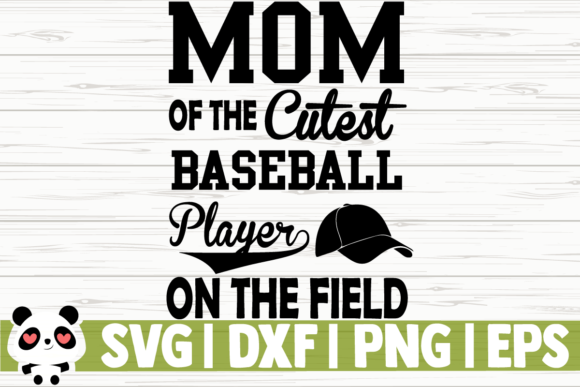
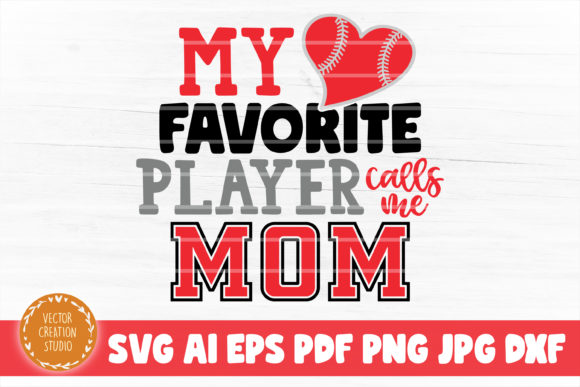
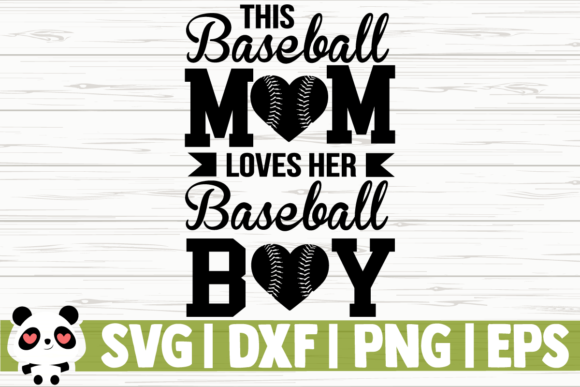
Upon opening the download package, which includes SVG, EPS, PNG, and DXF files, the immediate strength of This Baseball Mom Loves Her Baseball Boy lies in its clear emotional resonance and balanced layout. The typography and iconography work together to create an instant connection with the target demographic: proud mothers of youth athletes. Visually, the design avoids clutter, which is a significant advantage in machine embroidery. Overly complex graphics often suffer when converted to stitches, but this design appears to respect the limitations and strengths of thread as a medium.
The mood is celebratory yet grounded, making it versatile across different product categories. It does not feel like a generic clip-art assembly; rather, it possesses a cohesive visual personality that suggests it was created with crafting in mind. For a handmade product or personalized gift, this level of intentionality matters. Customers can distinguish between mass-produced graphics and thoughtful design assets, and this piece leans comfortably into the latter. The balance between text and imagery allows for flexibility in sizing, ensuring the design remains legible whether applied to a large tote bag or a smaller youth-sized garment.
Real-World Application: The Custom Sweatshirt Test
To truly evaluate this design, I mentally placed it in a specific production scenario: creating a custom crewneck sweatshirt for a team mom group order. This is a high-stakes project where consistency, durability, and comfort are paramount. In this context, This Baseball Mom Loves Her Baseball Boy performs exceptionally well because the layout accommodates the natural drape of fleece fabric without creating a stiff, bulletproof patch of stabilizer and thread.
When planning this sweatshirt embroidery, I would utilize the SVG or DXF file to adjust the size specifically for the chest placement. The design’s structure allows for center-chest positioning without interfering with sleeve seams or hood bulk. For a commercial embroidery run, efficiency is key. If the design utilizes clean satin stitch borders and optimized fill stitch areas, it reduces machine time and thread breaks. This directly impacts profit margins for small shop products. Furthermore, the sentiment is specific enough to feel personal but broad enough to apply to any baseball family, making it an ideal candidate for batch production during spring and fall seasons.
Fabric Considerations and Technical Constraints
While the design is versatile, successful execution depends heavily on fabric selection and stabilization. Not all textiles treat embroidery equally, and This Baseball Mom Loves Her Baseball Boy requires mindful preparation depending on the substrate.
- Stretchy Knits and Performance Wear: If applying this to moisture-wicking tees or stretchy baby clothes, you must use appropriate cut-away stabilizer. The design likely contains linear elements that could distort if the fabric shifts during hooping. Always test on scrap fabric first to ensure the registration holds.
- Textured Fabrics: On terry cloth towels or heavy canvas tote bags, the detail level needs verification. Fine running stitch details may get lost in the pile of a towel. In these cases, consider using a water-soluble topping to keep the stitches crisp and visible.
- Caps and Curved Surfaces: Be cautious when adapting this design for caps. Unless the file has been specifically digitized for curved surfaces, flat designs can pucker or gap on a hat frame. Check the stitch density and underlay before attempting cap embroidery.
- Dark vs. Light Fabrics: Thread color contrast is non-negotiable. Test the design in black and white mockups to visualize value contrast. If stitching on navy blue sweatshirts, ensure the lettering uses light thread colors that pop, or add a white outline to maintain readability.
Commercial Viability and Product Value
For Etsy sellers and creative entrepreneurs, This Baseball Mom Loves Her Baseball Boy offers strong commercial potential, provided it is executed professionally. The value of a finished product is directly tied to stitch quality. A design that pulls, gaps, or feels excessively dense devalues the brand. Conversely, a cleanly stitched version of this graphic elevates the perceived worth of the item.
This design fits naturally into several profitable niches within the Crafts and Graphics categories. Beyond standard apparel, consider its application on nursery decor, such as pillow covers or blankets for a baseball-themed kid's room. These items command higher price points than t-shirts and allow for larger hoop sizes where the design can really shine. Additionally, the design serves as excellent content for printable mockups. High-quality digital previews featuring this design on realistic apparel templates can significantly boost buyer engagement and trust before a single stitch is made.
However, professionalism extends beyond aesthetics. Always confirm licensing terms before selling finished items or digital products. While the download provides the necessary file formats, verifying whether you have commercial rights for physical sales versus digital redistribution is essential for protecting your business. Customer trust is built on transparency and quality; never risk it by assuming usage rights.
Designer Notes for Optimal Results
Before loading This Baseball Mom Loves Her Baseball Boy into your machine for a final project, adhere to these practical checkpoints to ensure professional results:
- Verify Hoop Size Compatibility: Do not assume the design fits your specific hoop. Measure the actual stitch area against your machine’s maximum field. Resizing should be done within embroidery software to maintain stitch integrity, not just by stretching the file.
- Analyze Stitch Density: Inspect the file in your editing software. If the fill stitch density is too high for lightweight baby embroidery, reduce it to prevent fabric damage. If it is too sparse for a tote bag design, increase coverage to prevent show-through.
- Thread Color Planning: Map out your thread colors before starting. Ensure you have adequate yardage for multi-unit orders. Consistency in thread brands ensures color matching across different production runs.
- Test on Target Material: Never skip the test stitch-out on the exact fabric and stabilizer combination you intend to use for the final product. What works on cotton quilting fabric may fail on performance polyester.
- Check Small Details: Zoom in on tiny lettering or decorative accents. If elements are smaller than 4mm in height, they may need to be simplified or removed to prevent needle breaks and illegible text.
Ultimately, This Baseball Mom Loves Her Baseball Boy is a promising asset for makers who prioritize quality and relevance. By treating this digital file as a component of a larger manufacturing process rather than a standalone image, you transform it from a simple graphic into a cherished, durable product. Whether you are creating a holiday gift, stocking your boutique, or fulfilling custom orders, success lies in the intersection of thoughtful design selection and rigorous technical execution. Respect the materials, test thoroughly, and let the craftsmanship speak for itself.