Homeschool Design: A Maker’s Stitch-Out Review
When evaluating a new machine embroidery design for my shop, I look past the digital preview and focus entirely on how the artwork translates to thread. The "Homeschool" graphic has been gaining traction among crafters, specifically marketed toward homeschool moms. As a designer who creates both for personal projects and commercial clients, I needed to determine if this asset holds up in a real production environment. Is it merely a cute digital graphic, or does it possess the structural integrity required for a high-quality finished product? My assessment is based on practical application, considering everything from stitch pathing to marketability for Etsy sellers and small business owners.
First Impressions and Visual Personality
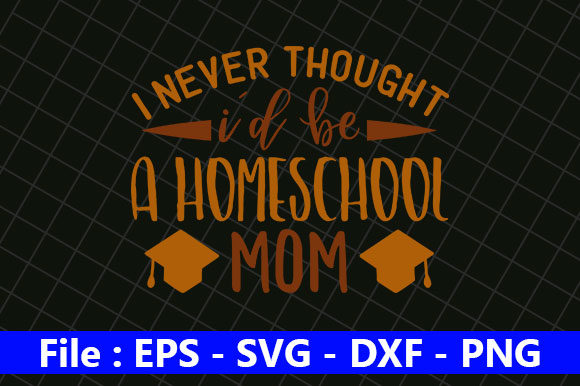
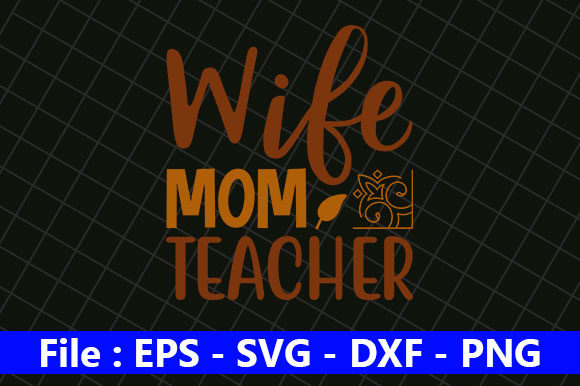
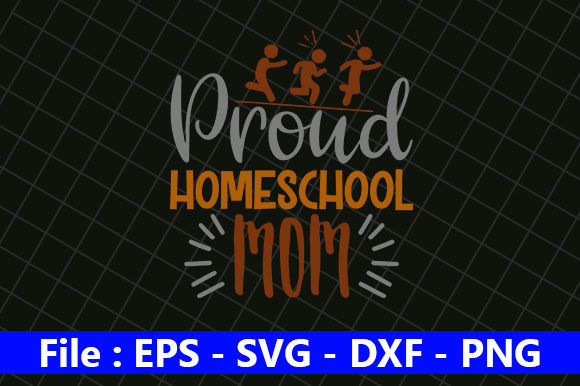
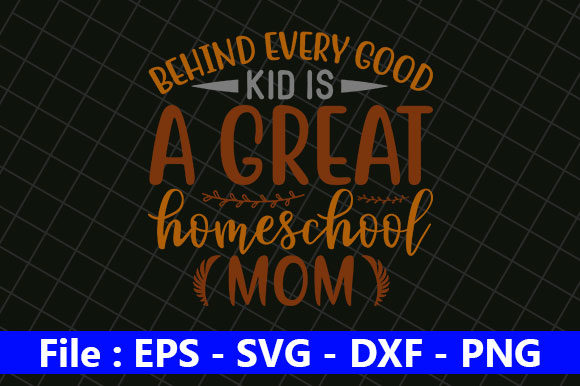
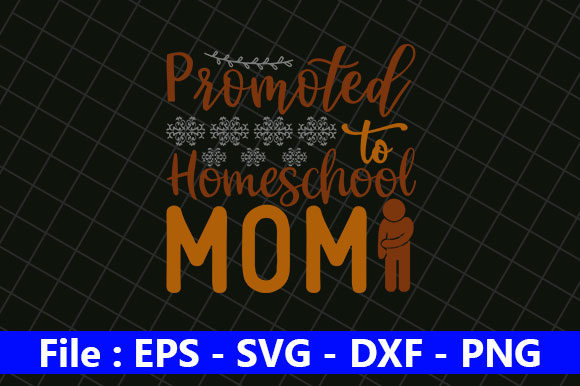
Upon opening the files, the immediate impression of Homeschool is one of nostalgic warmth and educational pride. The aesthetic strikes a balance between vintage academia and modern minimalism, which is currently a dominant trend in the Crafts category. For an embroidery digitizer or apparel decorator, the layout suggests versatility. It does not feel overly cluttered, which is a common pitfall with text-heavy designs. The visual personality feels approachable rather than rigid, making it suitable for a wide demographic ranging from young mothers to grandparents creating gifts.
As a digital embroidery file, the artwork appears clean. However, screen resolution often lies. The true test is whether the lines are distinct enough to survive the translation into satin or fill stitches. The design seems optimized for readability at medium sizes, but I immediately questioned how the finer details would perform on textured fabrics like canvas or linen. For Graphics intended for embroidery, negative space is just as important as the inked areas; this design appears to respect that balance, allowing the fabric to breathe rather than creating a bulletproof vest effect on the garment.
Real-World Application: The Custom Sweatshirt Test
To truly evaluate this design, I approached it with a specific client scenario in mind: creating a custom crewneck sweatshirt for a homeschool co-op meetup. This is a quintessential use case for sweatshirt embroidery. Fleece presents unique challenges due to its pile and stretch. When hooping fleece for the Homeschool design, stabilization is non-negotiable. I recommend a medium-weight cutaway stabilizer to prevent the design from sinking into the fabric texture or distorting after washing.
In this real-life application, the design serves as more than just decoration; it acts as an identity marker. For a handmade product, the stitching clarity directly correlates to perceived value. If the lettering in Homeschool is too thin, it will disappear into the fleece. If it is too dense, it will pucker the sweatshirt. Based on the artwork's weight, this design likely performs best when scaled to fit a 5x7 hoop or larger on adult apparel. Scaling it down for a baby onesie or toddler tee requires caution; tiny text elements may need to be simplified or converted to running stitches to maintain legibility. For baby embroidery, comfort is paramount, so ensuring the back of the design isn't scratchy against sensitive skin is a critical consideration that dictates stabilizer choice and backing methods.
Navigating Fabric Limitations and Hoop Constraints
Not every project is a smooth cotton t-shirt. As makers, we frequently encounter difficult substrates. When applying Homeschool to structured items like caps or tote bags, the curvature and thickness change the equation. For a tote bag design on heavy canvas, the needle penetration must be precise. If the design includes intricate internal details, they risk getting lost in the coarse weave. In such cases, testing on scrap fabric is mandatory. I always advise checking the stitch density before committing to a final run; dense fills on canvas can cause needle breaks or excessive thread buildup.
Stretchy performance wear and ribbed knits are another area requiring vigilance. While Homeschool is promoted for moms who are active and busy, embroidering on athletic wear demands specialized handling. The design must be stabilized heavily to prevent tunneling. Furthermore, if you are using this for commercial embroidery on dark garments, consider how the color palette translates. High contrast is essential. A white or cream thread version of Homeschool pops beautifully on navy or forest green sweatshirts, whereas pastel threads might require a darker underlay to prevent the fabric color from bleeding through visually.
Critical Technical Considerations
- Stabilizer Selection: Always match your stabilizer to the fabric weight, not just the design size. Cutaway for stretch, tear-away for stable wovens, and water-soluble toppings for high-pile fabrics.
- Size Verification: Do not assume the provided size is optimal for all projects. Resize within your machine software to check for automatic stitch regeneration, especially for satin stitch columns.
- Thread Contrast: Test the design in black and white mockups first. If the design relies solely on color variation rather than value contrast, it may fail on certain fabric backgrounds.
- Licensing Check: Before selling finished items or using the design in printable mockups for digital sales, verify the specific commercial license terms included with your purchase.
Commercial Viability for Sellers and Makers
For Etsy sellers and creative entrepreneurs, time is money. A design that requires constant troubleshooting eats into profit margins. Homeschool appears to be a strong candidate for batch production because of its thematic relevance. It targets a passionate niche audience willing to pay for quality representation of their lifestyle. However, professionalism is key. A puckered, misaligned, or thread-broken item damages brand trust instantly.
When listing products featuring this design, presentation matters. Use the included PNG format to create clean, professional listings, but ensure your primary photos show actual stitched samples. Customers want to see how the embroidery project looks in reality, not just digitally. For those selling design assets or sublimation prints alongside physical goods, the SVG and EPS formats provide scalability for marketing materials. Just remember that a vector file behaves differently than a stitch file; never assume the SVG dimensions perfectly match the safe embroidery area without verification.
Final Designer Notes on Quality Control
Before adding Homeschool to your permanent catalog or starting a holiday rush order, conduct a thorough audit. Run a test stitch-out on the exact fabric you intend to sell. Inspect the registration marks and corner alignment. If the design includes appliqué elements, verify that the tack-down stitches are secure and the placement lines are accurate. For personalized gifts, ensure there is adequate space to add names or dates without compromising the original composition.
Ultimately, Homeschool is a promising asset for the maker community, provided it is treated with technical respect. It bridges the gap between sentimental value and wearable art. Whether you are crafting a custom apparel line for a boutique or making a heartfelt gift for a fellow educator, success lies in the preparation. Respect the fabric, honor the stitch count, and validate the output. By doing so, you transform a simple digital download into a tangible, cherished heirloom that reflects the care and expertise of your craft business.