Homeschool Design Review: I Never Thought Stitch Test
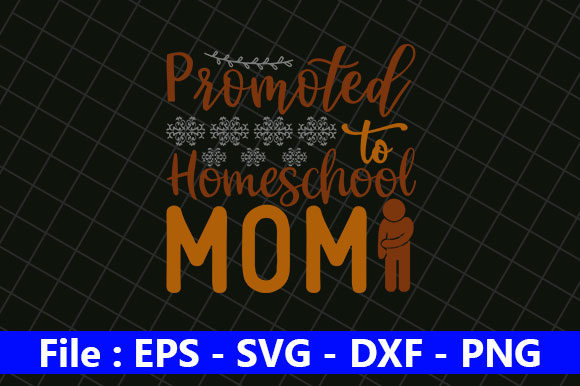
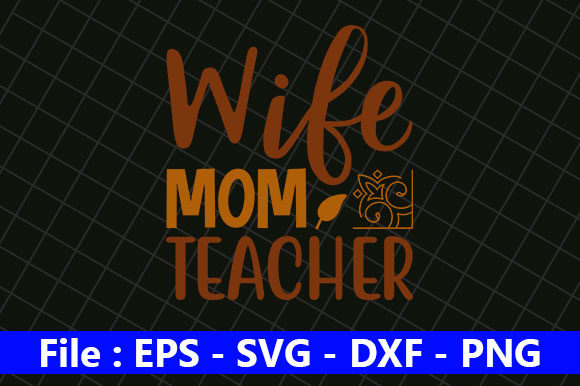
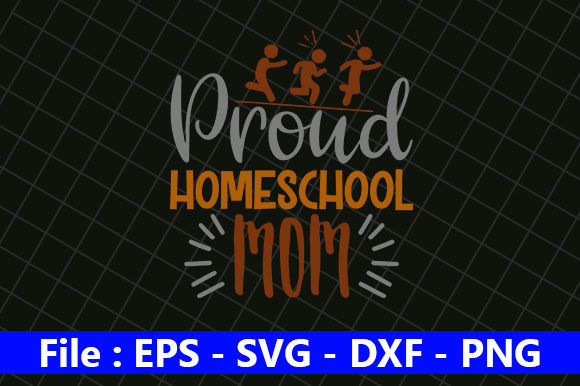
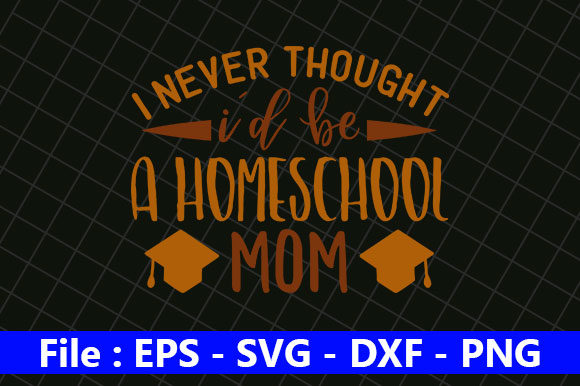
When evaluating a new machine embroidery design for my custom apparel line, I look beyond the digital preview. The "Homeschool Design, I Never Thought" graphic caught my eye specifically because of its relatable narrative. As a designer creating products for parents and educators, I know that emotional resonance sells. However, translating a sentiment like "I never thought I’d be a homeschool mom" from a digital graphic into a tangible handmade product requires technical scrutiny. This review breaks down how this specific design asset performs when moved from screen to fabric, focusing on real-world application for Etsy sellers, craft business owners, and hobbyists.
First Impressions and Visual Personality
My initial assessment of the Homeschool Design, I Never Thought file focuses on its typographic hierarchy and emotional tone. In the Crafts category, text-based designs often struggle with readability once stitched. This design appears to balance whimsy with legibility. The phrase carries a mix of surprise, pride, and exhaustion that resonates deeply with the current demographic of homeschooling parents. Visually, it feels suited for casual, comfortable wear rather than formal attire. It has a "lived-in" aesthetic that suggests it belongs on soft cottons, fleece, or canvas rather than stiff linens or performance wear.
For a digital embroidery file, the layout is critical. If the text is too spread out, it demands an excessively large hoop size, which limits the types of garments you can use. Conversely, if it is too condensed, the letters may merge during stitching. This design seems to strike a middle ground, making it versatile for both adult sweatshirt embroidery and smaller accents on tote bags or aprons. The personality is authentic, avoiding the overly polished look that sometimes makes custom apparel feel mass-produced.
Real-World Application: The Sweatshirt Test
To truly evaluate this embroidery project, I mentally placed it in a specific production scenario: creating a premium crewneck sweatshirt for a boutique holiday collection. My target customer is a mother who wants to celebrate her homeschooling journey without wearing something that looks like a uniform. She values comfort and subtle humor.
In this context, the Homeschool Design, I Never Thought serves as a centerpiece. When stitching on fleece or French terry, the fabric texture plays a massive role. These fabrics have a pile that can swallow thin lines. If this design relies heavily on delicate running stitch lettering, it risks disappearing into the nap of the sweatshirt. A successful stitch-out here would require either a thicker column width or a backing strategy that prevents sinkage. For my shop, I would likely pair this design with a solid block of color behind the text or use a heavy-weight stabilizer to keep the stitches sitting on top of the fabric. This ensures the message remains crisp and readable, maintaining the perceived value of the finished product.
I also considered this design for a tote bag design. Canvas is unforgiving; it shows every needle penetration. Here, the design’s potential for mixed media shines. If the file includes elements suitable for applique design techniques, it could reduce the overall stitch density while adding tactile interest. A canvas tote with this phrase embroidered in contrasting thread becomes a practical, high-margin item for craft fairs. The key is ensuring the design scale matches the bag's proportions so it doesn't look like an afterthought.
Technical Considerations for Makers
While the sentiment is strong, technical execution determines whether a customer loves their purchase or requests a refund. When working with the Homeschool Design, I Never Thought, several factors demand attention before you commit to a full production run.
- Fabric Compatibility: This design is ideal for stable knits, cotton, and canvas. Be extremely cautious using it on stretchy performance fabrics or slippery rayon. The phrase implies a cozy, domestic vibe, and technical fabrics often clash with that aesthetic. If you must use stretchy material, ensure you are using a cut-away stabilizer and potentially a topping to prevent distortion.
- Stitch Density and Texture: Check your software settings. Text-heavy designs can become bulletproof if the stitch density is too high. This makes the garment stiff and uncomfortable. Conversely, low density on dark fabrics leads to poor coverage. Always run a test stitch on scrap fabric that matches your final project weight.
- Thread Color Contrast: The readability of "I never thought I’d be a homeschool mom" depends entirely on contrast. White thread on a heather grey sweatshirt might get lost. Deep navy on black is invisible. For commercial embroidery, stick to high-contrast pairings. Test your thread colors in natural lighting, not just under machine LEDs.
- Hooping Strategy: Confirm the dimensions against your available hoops. If the design pushes the limits of a 5x7 hoop, consider resizing slightly or splitting the design. Distortion at the edges of a maxed-out hoop is a common failure point for text designs.
Navigating Formats and Commercial Use
The product listing indicates availability in SVG, DXF, EPS, and PNG formats. It is vital to distinguish between these for different applications. SVG, DXF, and EPS are vector formats typically used for cutting machines (like Cricut or Silhouette) or professional digitizing software. They are not direct machine embroidery files like .PES or .DST. As an embroiderer, you cannot load an SVG directly into your machine unless you are using specific software to convert or trace it first.
If you are an Etsy seller offering this as a digital download, clearly communicate this distinction to avoid customer confusion. If you are a maker intending to stitch this yourself, verify if a pre-digitized embroidery version is included or if you must digitize the vector art yourself. Digitizing text requires skill to ensure proper pull compensation and underlay. Using auto-digitize features on complex phrases often results in poor stitch quality. Investing time in proper digitizing—or hiring a professional digitizer—transforms a generic graphic into a premium embroidered patch or apparel decoration.
Regarding licensing, always review the terms associated with the Homeschool Design, I Never Thought. Just because a file is purchased does not mean it is cleared for commercial embroidery on unlimited units. Respect the creator's terms to maintain integrity in the craft business community. If you plan to sell personalized gift items featuring this design, ensure your license covers physical goods versus digital redistribution.
Elevating Product Value Through Presentation
How you present this design matters as much as how you stitch it. For online sales, a flat-lay photo of the embroidered item is essential, but a printable mockup can help customers visualize options before you stitch them. However, never rely solely on digital mockups for text-heavy designs. Customers need to see actual stitch texture to trust the quality. Show close-ups of the lettering to demonstrate clean satin columns and secure tie-offs.
Consider the end-user's lifestyle. A homeschool mom is busy. She needs products that wash well. If you use this design on a kitchen towel or apron, ensure the thread is polyester or colorfast cotton. Rayon may bleed or fade with frequent laundering. Durability builds brand trust. When a customer sees that your small shop product holds up after months of use, they return. The Homeschool Design, I Never Thought is more than just words; it is a validation of a lifestyle. Treat it with the technical respect it deserves, and it will serve as a cornerstone piece in your handmade inventory.
Final Designer Verdict
The Homeschool Design, I Never Thought offers significant potential for makers targeting the education and parenting niche. Its strength lies in its emotional connection, but its success depends on your technical diligence. By carefully selecting fabrics, managing stitch density, verifying format compatibility, and respecting licensing, you can transform this graphic into a best-selling custom apparel item or cherished holiday embroidery gift. Approach it not just as a file to be stitched, but as a story to be told through thread. When executed with precision, it bridges the gap between digital art and meaningful, wearable reality.