Homeschool Design: Behind Every Good Review
As a professional embroidery digitizer and product reviewer, I approach every new graphic with a specific question: will this actually stitch out cleanly on real fabric? When evaluating the Homeschool Design, Behind Every Good, my focus shifts immediately from the screen to the hoop. This design carries a sentiment that resonates deeply within the crafting community, but emotional appeal does not guarantee technical success. For Etsy sellers, apparel decorators, and homeschool moms creating custom gear, understanding how this digital asset translates into a tangible handmade product is essential before committing thread to fabric.
First Impressions and Visual Hierarchy
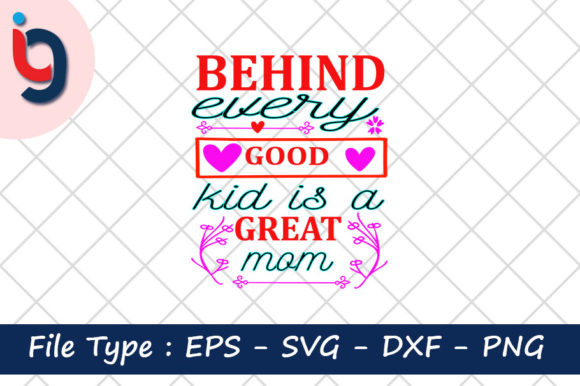
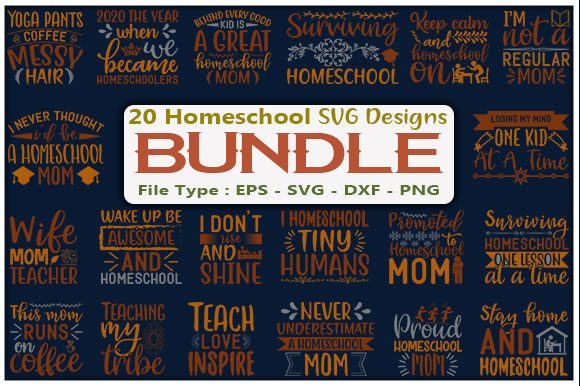
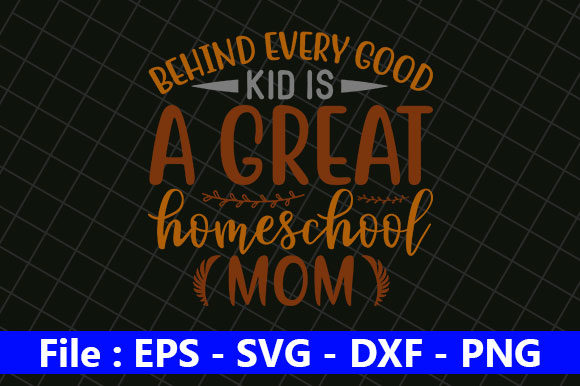
Upon opening the files, the layout of Homeschool Design, Behind Every Good presents a balanced typographic arrangement. The phrase "Behind every good kid is a great homeschool mom" requires careful spacing to remain legible when reduced for smaller projects. Visually, the design feels warm and affirming without being overly cluttered. In the world of Crafts and Graphics, text-heavy designs often struggle with readability, but this composition appears to prioritize clear letterforms over excessive ornamentation. This is a positive indicator for embroidery, where negative space is just as important as the stitched areas. The mood is celebratory yet grounded, making it suitable for both personal wear and boutique merchandise.
Real-World Application: The Sweatshirt Test
To truly judge this machine embroidery design, I mentally placed it in a common production scenario: a mid-weight cotton fleece sweatshirt intended for a homeschool co-op group order. Sweatshirts are a staple for custom apparel, but their textured surface can be unforgiving. In this context, the design needs sufficient density to prevent the fabric pile from poking through the stitches. If the embroidery file utilizes thin running stitches for the main text, they risk getting lost in the fleece nap. However, if the designer employed a sturdy satin stitch or a filled column stitch, the message will pop against the fabric texture.
For this specific project, I would position the design centered on the chest rather than full-back placement. A chest logo size allows for better detail retention and reduces the risk of distortion caused by garment movement. When creating a personalized gift or shop sample, this placement also photographs better for social media marketing and printable mockup previews. Customers buying from an Etsy seller want to see exactly how the text reads at a glance, and a chest placement showcases the typography’s clarity effectively.
Technical Considerations for Diverse Substrates
Versatility is key for any digital embroidery file used in a commercial setting. While the sweatshirt scenario is ideal, crafters often apply this type of sentiment to varied items like tea towels, tote bags, and even baby bibs. Each substrate demands a different approach to stabilizer and hooping.
- Tote Bag Design: Canvas tote bags provide a stable, flat surface that is excellent for detailed text. However, because canvas is thick, you must ensure the needle penetration points in the file are optimized to avoid excessive perforation. This design would work beautifully as a center chest or pocket-sized motif on a natural canvas bag.
- Kitchen Towels and Tea Towels: These are popular holiday embroidery items. Linen and cotton terry cloth require a tear-away or wash-away stabilizer to maintain crisp edges. If the Homeschool Design, Behind Every Good includes delicate script elements, test stitching on scrap towel material is mandatory to ensure the letters do not sink into the weave.
- Baby Embroidery: If adapting this for a baby item, such as a bib or onesie, extreme caution is needed. Baby skin is sensitive, so stitch density must be managed to prevent stiff, scratchy results. You may need to edit the file to reduce underlay stitches or simplify small serifs that could become abrasive.
Navigating Fabric Limitations and Hoop Sizes
Not every fabric is a friend to detailed typography. When using this design on stretchy knits or performance fabrics, the risk of puckering increases significantly. As a reviewer, I always advise checking the stitch density before running a production batch. High-density fills on lightweight jersey knit can cause the fabric to tunnel or warp. In these cases, using a cutaway stabilizer and a light spray adhesive is non-negotiable to keep the finished product looking professional.
Furthermore, consider your available hoop size. Text-based designs like this often have a wide aspect ratio. If you only have a standard 4x4 hoop, resizing the design down to fit might render the smaller words illegible. Before purchasing or stitching, verify the dimensions of the SVG, DXF, EPS, or PNG files provided. If the design exceeds your hoop capacity, check if the seller offers a split version or a resized variation specifically for smaller machines. Never distort the aspect ratio just to make it fit; stretched letters look unprofessional and damage brand trust.
Commercial Viability and Brand Consistency
For creative entrepreneurs and small shop product lines, consistency builds recognition. The Homeschool Design, Behind Every Good has strong potential for branding because it targets a specific niche with high emotional engagement. However, visual appeal alone does not sell products; execution does. A poorly stitched-out design with thread breaks, registration issues, or illegible text will result in returns and negative reviews.
When listing this as part of your craft business inventory, ensure your product photos show the actual stitched result, not just the digital rendering. Buyers need to see how the thread colors interact with the fabric. Does the white text vanish on cream fabric? Is the contrast high enough for accessibility? Testing the design in black and white mockups can help identify value contrast issues before you waste materials. Additionally, always confirm the licensing terms included with the file formats. Just because you received an SVG or PNG does not automatically grant permission to resell the digital file itself or use it for unlimited commercial production. Respecting intellectual property protects your business reputation.
Designer Notes for Optimal Results
Based on my evaluation of similar typographic assets, here are practical steps to ensure success with this design:
- Always Test Stitch: Never run this design directly on a final garment without a test on similar scrap fabric. Check for jump stitches that need trimming and verify that all letters connect properly.
- Stabilizer Selection: Match your stabilizer to the fabric weight. Use cutaway for knits and stretch fabrics, and tear-away for stable wovens like canvas or denim.
- Thread Contrast: Choose thread colors that offer high contrast against the base fabric. Pastel threads on pastel fabrics often fail to read well in photographs and in person.
- Inspect Small Details: If the design includes periods, commas, or tiny decorative flourishes, inspect them closely after stitching. These elements are prone to sinking or breaking out on textured fabrics.
- Verify File Integrity: Since this product comes in SVG, DXF, EPS, and PNG formats, ensure you are using the correct file type for your specific software or cutting machine. PNGs are generally for printing or tracing, while DST or PES (converted from SVG/DXF) are required for embroidery machines.
Final Verdict on Practical Utility
The Homeschool Design, Behind Every Good represents a valuable asset for makers serving the education and parenting niche. Its strength lies in its targeted messaging and versatile layout, which lends itself well to sweatshirt embroidery, tote bag design, and personalized gifts. However, its success depends entirely on the user's technical diligence. By respecting fabric limitations, verifying hoop compatibility, and conducting proper test runs, this design can elevate your product line from generic to professionally crafted. Whether you are an experienced Etsy seller or a hobbyist making gifts for fellow moms, treating this graphic with technical respect will ensure the final embroidered piece honors the sentiment it aims to celebrate.